If you landed here looking for the Undead reading order specifically, we want to be upfront: the books below aren't a single series called "Undead." What they are is a curated sequence of paranormal and romantasy series built around the same core elements that make that label click, namely vampires, undead and immortal heroes, found family dynamics that hit harder than the romance itself, and banter sharp enough to carry a 500-page book on its own. These are the series we'd recommend based on exactly those pillars, organized to help you figure out where to start and how deep to go.
We've organized them by mood rather than publication date, because reading order matters more when you're managing emotional bandwidth than when you're tracking release timelines. Some of these series run 20+ books deep. Some are duologies. We'll flag what you're getting into. Spice ranges from closed-door warmth to scorching, so check those labels before you commit to reading in public.
One bias we'll admit upfront: we have a soft spot for series where the found family is doing real emotional work, not just standing around as background color. The MMC brooding alone in a warehouse while his vampire crew cracks jokes and occasionally saves his life is, genuinely, our favorite subgenre. Several of these deliver that exactly.
1,000+ romance books tagged by trope. Filter by spice, genre, and series length.
Start HuntingStart Here: Vampires, Banter, and Found Family Done Right
These are the entry points. Long-running series with strong humor, immortal heroes, and casts you'll want to follow for dozens of books.
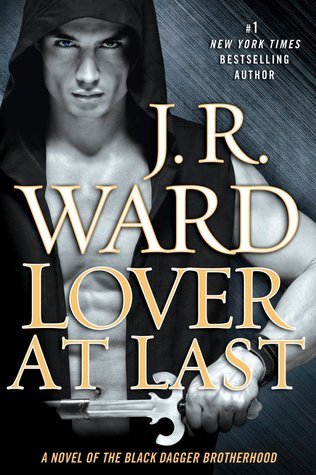
Lover at Last
Qhuinn and Blay's story is the one BDB readers waited years for, and Ward delivers it with all the angst, brotherhood banter, and emotional devastation the series is known for. The found family here isn't incidental, the Brotherhood is the spine of every book, and Qhuinn's outsider status within it gives this one a different texture than the earlier entries. Monstrous anatomy applies in the BDB vampire sense, and the kink content is explicit. A good starting point if you want to understand the emotional register of the whole series before committing to book one.
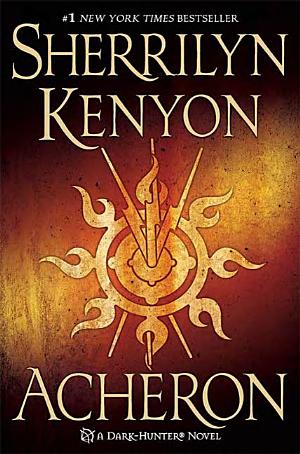
Acheron
The Dark-Hunter series runs 30 books and this is the one everyone points at as the emotional center of the entire universe. Acheron is the leader of the Dark-Hunters, a god who has spent millennia carrying trauma so deep it restructured his personality, and his love story is earned in a way that makes the preceding books feel like setup. The humor in the Dark-Hunter world is baked into the DNA, the supporting cast snark at cosmic stakes, and the immortal lovers trope here has genuine mythological weight behind it. Content warning for the first half of this book, which covers Acheron's backstory and includes severe abuse.
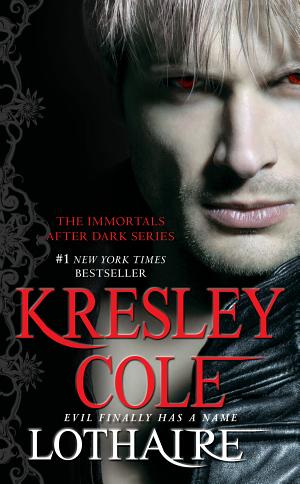
Lothaire
Lothaire is the Enemy of Old, an ancient vampire so arrogant and so convinced of his own legend that the reader spends the whole book waiting for the moment he has to reckon with being wrong about everything. Kresley Cole writes him as genuinely funny without softening the threat of him, which is a difficult line to walk and she does it better than almost anyone in the genre. The Immortals After Dark series is long but largely standalones-in-series, so you don't need to have read the earlier books to appreciate this one, though the world-building accumulates across them.
Vampire-Adjacent: Immortal Heroes and the People Who Love Them
These lean into the immortal lover and monster hero territory with strong FMCs who are not impressed by the hero's body count or his centuries of brooding.
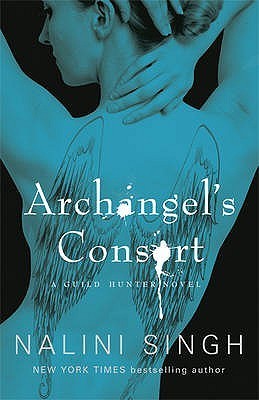
Archangel's Consort
Elena Deveraux hunts vampires for a living, and then she ends up mated to the archangel who commands them. The Guild Hunter series has a distinct flavor that sits between urban fantasy and paranormal romance, with Singh's signature world-building density and a central couple that gets meaningfully more interesting as the power dynamic shifts over multiple books. This particular entry escalates the threat level while deepening the domestic texture of Elena and Raphael's relationship, which sounds like a contradiction and somehow isn't. The vampires here are political animals operating under archangel rule, and that court structure creates ongoing tension across the series.
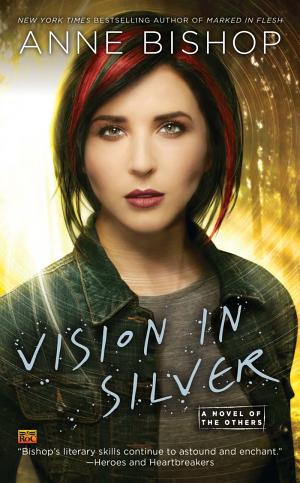
Vision in Silver
This series is on the list specifically for the found family component, which in The Others is doing more work than the romance at every point. The vampires here, called Sanguinati, are part of a broader community of terra indigene who are functionally apex predators tolerating human existence. Meg Corbyn stumbles into this world and becomes the emotional center of a found family that includes vampires, wolves, and beings with no human frame of reference at all. The romance is slow and the spice is genuinely warm, so if you need heat this isn't the pick, but for readers who want the found family and the undead community without explicit content, this series is one of the best in the genre.
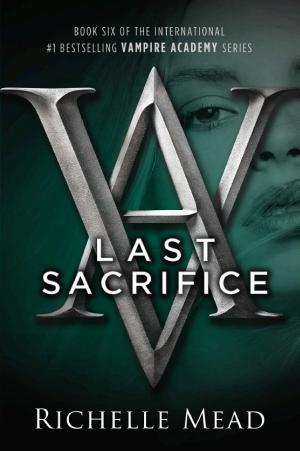
Last Sacrifice
The Vampire Academy series finale. Rose Hathaway is framed for a queen's murder while her best friend Lissa is maneuvering through vampire court politics to take the throne. The found family here is Rose, Lissa, and a group of dhampir and Moroi who have been through enough together that their loyalty reads as completely earned by the time this book lands. Richelle Mead wrote a YA-rooted vampire world that takes its political structures seriously, and Last Sacrifice delivers on every thread the series planted over five books. The love triangle resolves here, so if that's been your sticking point, this is where you get your answer.
Vampires in Romantasy: Blood, Power, and Messy Courts
For readers who want vampire politics with romantasy world-building depth and morally gray heroes who are genuinely not safe.
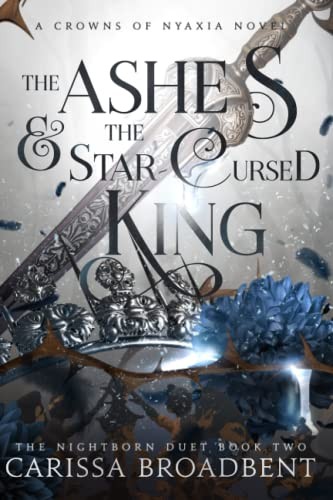
The Ashes and the Star-Cursed King
This is the vampire romantasy for readers who want the monster hero tag to mean something. Raihn is a vampire king with a genuinely complicated claim to power, and Oraya is a human raised among vampires who has spent her entire life learning to survive people like him. The slow burn in this book is brutal in the best way, the grovel is earned, and Broadbent writes immortal politics with the kind of texture that makes you want a spinoff for every side character. First book in the duology is The Jasad Heir, but you need The Ashes specifically for the payoff.
For the Humor and Banter Contingent
Paranormal worlds where the humor is structural, not decorative, and the found family actually jokes around.
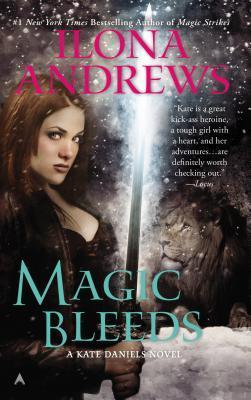
Magic Bleeds
Kate Daniels is probably the gold standard for paranormal romance heroines who are funny because they are competent and tired, not because the author inserted quip opportunities. Book four is where Kate and Curran finally stop circling each other and the relationship becomes its own source of tension rather than just the "will they or won't they." The Atlanta world-building at this point has accumulated enough history that the supernatural mystery plots have real stakes, and the humor lands harder because you've watched Kate earn every piece of it. If you've been eyeing this series but weren't sure where to start, book one (Magic Bites) is a quick read and worth the setup.
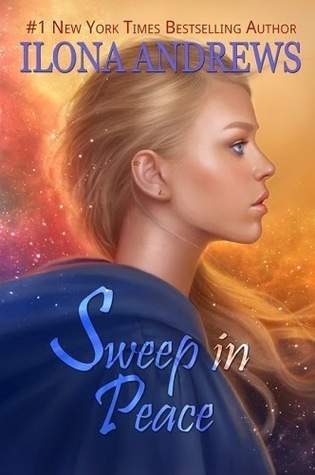
Sweep in Peace
The tonal opposite of everything else on this list, and we're including it because if you love found family and humor and want zero stress about your immortal lover's body count, this is the palate cleanser. Dina runs a magical inn that hosts supernatural beings from across the galaxy, and her guest list in this book includes three factions at war who are contractually obligated to not kill each other under her roof. The humor here is dry and structural, built into the premise, and the slow burn romance is almost aggressively low-stakes by paranormal romance standards. Warm spice means closed-door adjacent. The found family, however, is fully operational.
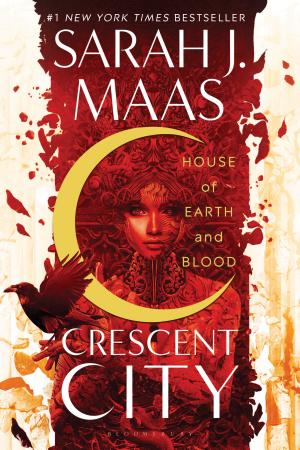
House of Earth and Blood
This is Maas's most humor-forward series, and it's also the one with the messiest found family grief at its center. Bryce Quinlan is the FMC you either love immediately or bounce off completely, and we're in the former camp. The found family here is the group Bryce lost at the start of the book and the new one she builds in the wreckage. There are vampires in Crescent City's urban fantasy architecture, the city runs on supernatural politics, and the banter between Bryce and Hunt carries a 700+ page book without flagging. Content warning for the opening, which involves the death of a close friend group and is not brief about it.
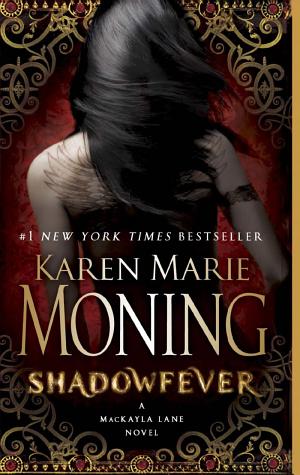
Shadowfever
The conclusion to the original Fever arc. Mac has changed so much from the woman who walked into Dublin looking for her sister's killer that the person she was in book one almost feels like a different character, and that transformation is the point. The Fever series is not a gentle read and Moning does not let anyone off the hook, including the reader. The morally gray MMC here is genuinely gray, and the power reveal in this finale changes how you read everything that came before it. We'd say start from the beginning (Darkfever) and do not read spoilers, but if you're the type who reads series endings first, this one will still gut you.
Tell us what you love and what you avoid. Every book gets scored to match.
Create My Profile