The Southern Vampire Mysteries — better known as the Sookie Stackhouse series — ran for thirteen books between 2001 and 2013, and they still hold up as a gold standard for paranormal romance done right. Telepathic cocktail waitress in small-town Louisiana, vampires who've "come out of the coffin" to mainstream society, and a supernatural mystery in nearly every installment. Charlaine Harris built something that felt genuinely new at the time: an adult woman navigating a world where fae, shifters, werewolves, and the undead are all very much her problem, and she handles most of it with a combination of practicality, stubbornness, and occasionally a cast-iron skillet.
We'll be honest: the series gets uneven after book seven or eight. The love triangle drags, and if you're Team Eric, the ending will test your patience. But the early-to-mid run is some of the most entertaining paranormal romance published in the 2000s, and the trope density is remarkable. Supernatural mystery in every book. A heroine who is actually competent and has strong opinions about her own autonomy. Vampires who feel dangerous rather than decorative. We're covering all thirteen books here in order, with notes on what each one delivers tropewise, how spicy things get, and what to brace for.
We don't have the Sookie Stackhouse books in our database yet (they're coming), but we've pulled the paranormal romance and romantasy reads from our catalog that share its biggest tropes: vampires, supernatural mystery, strong heroines, and morally complicated love interests. If you're between Sookie books or looking for your next series after finishing, these are our honest recommendations.
1,000+ romance books tagged by trope. Filter by spice, genre, and series length.
Start HuntingThe Sookie Stackhouse Books in Order
Here's the full reading order for Charlaine Harris's Southern Vampire Mysteries, with a trope and spice snapshot for each. All thirteen books follow Sookie in first person, so there's no skipping around — read them in order.
- Dead Until Dark (2001) — Steamy. Sookie meets Bill. Serial murders, small-town gossip, first vampire relationship. Tropes: forbidden love, immortal lover, supernatural mystery.
- Living Dead in Dallas (2002) — Steamy. Sookie travels to Dallas to help find a missing vampire. The Fellowship of the Sun becomes a major antagonist. Tropes: supernatural mystery, forced proximity, fmc with powers.
- Club Dead (2003) — Steamy. Eric shows up properly for the first time. Mississippi vampire politics. Tropes: enemies to lovers (early Eric energy), morally gray MMC, supernatural mystery.
- Dead to the World (2004) — Spicy. Eric loses his memory and stays with Sookie. This is peak Eric content and most fans' favorite book. Tropes: forced proximity, slow burn, immortal lover, found family vibes.
- Dead as a Doornail (2005) — Steamy. Sniper targeting shifters. Sookie investigates while managing complicated feelings. Tropes: supernatural mystery, strong heroine, love triangle.
- Definitely Dead (2006) — Steamy. Sookie inherits her cousin's apartment and discovers what her cousin really was. Tropes: supernatural mystery, fae characters (first hints), morally gray MMC.
- All Together Dead (2007) — Spicy. Sookie attends a vampire summit. Hotel disaster, political intrigue, and a lot of Eric. Tropes: court politics, supernatural mystery, possessive hero, tension-filled.
- From Dead to Worse (2008) — Steamy. Fallout from the summit. Fae war begins. Tropes: fae characters, power reveal, supernatural mystery, found family.
- Dead and Gone (2009) — Steamy. The fae war escalates and gets genuinely dark. Content warning: violence, torture. Tropes: dark and gritty, hurt/comfort, strong heroine, fae characters.
- Dead in the Family (2010) — Warm. More fae complications, Eric's maker arrives, quieter installment. Tropes: immortal lover, fae characters, slow burn, emotional depth.
- Dead Reckoning (2011) — Steamy. Sookie investigates an attack on her workplace. Eric's political situation becomes critical. Tropes: power play, supernatural mystery, morally gray MMC.
- Deadlocked (2012) — Steamy. A death during a party at Eric's complicates everything. Tropes: supernatural mystery, love triangle, tension-filled, court politics.
- Dead Ever After (2013) — Warm. The finale. Contested ending. If you're Team Eric, manage expectations. Tropes: strong heroine, supernatural mystery, second chance.
Content warnings across the series: violence (escalating as the series progresses), sexual assault (book 1 and scattered later), torture (book 9 especially), and animal death. Books 9-10 are the darkest stretch tonally.
If You Love the Vampire Politics
Sookie's best books — three through seven especially — run on vampire hierarchy drama. These are the reads that scratch the same itch.
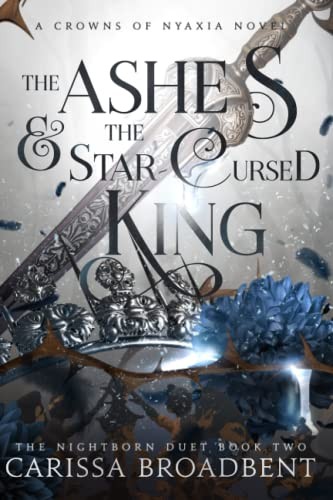
The Ashes and the Star-Cursed King
Vampire court politics done with real teeth. Oraya is a prisoner in her own kingdom after the events of book one, and the MMC who won the tournament — Raihn — is now her captor and her only ally. The power imbalance is uncomfortable in the best way, the grovel is earned, and the immortal love interest walks the villain-to-devoted-protector pipeline the same way Eric does in the early Sookie books. Read book one first, but this is where the series really opens up.
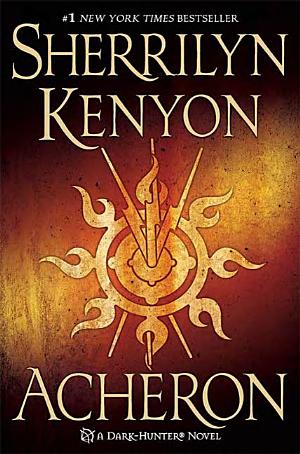
Acheron
The Dark-Hunter series is the closest comp to Sookie Stackhouse in terms of era, tone, and vampire-adjacent mythology. Acheron is the payoff book — the one readers waited fifteen installments for — and it delivers an emotional gut-punch alongside the mythology and spice. You can read it earlier than the publication order suggests, but the full weight of it lands harder if you've spent time with the series. Kenyon's world has the same appeal as Harris's: funny, gritty, mythology-dense, and surprisingly heartfelt.
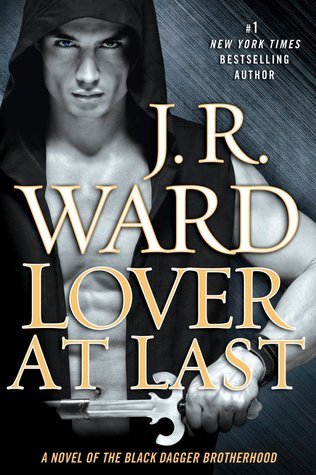
Lover at Last
The Black Dagger Brotherhood is the other 2000s paranormal romance institution that aged similarly to Sookie: beloved early run, gets complicated later, fandom is passionate and occasionally furious. Ward's vampires are more physically monstrous than Harris's and the world-building leans harder into found-family dynamics, but the combination of supernatural politics, possessive heroes, and a heroine (or heroes, in this case) navigating a world that keeps getting more dangerous scratches the same itch. This installment is the slow-burn payoff book for Qhuinn and Blay.
If You Love Sookie's Heroine Energy
Sookie's appeal is specific: she has limits, she knows it, she pushes past them anyway, and she never stops having opinions about everything. These heroines read similarly.
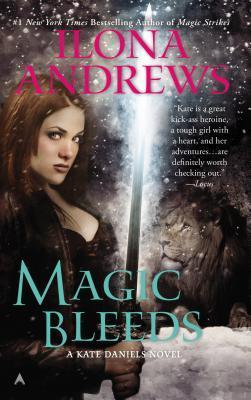
Magic Bleeds
Kate Daniels is the closest match to Sookie in the paranormal romance space. First-person, wisecracking, supernaturally capable without being invincible, embedded in a community of found family, perpetually dragged into mysteries she didn't ask for. Magic Bleeds is where Kate and Curran's slow-burn enemies-to-lovers arc finally cracks open, and it hits differently once you've watched them circle each other for three books. The shifter politics here echo the vampire hierarchy drama that makes the middle Sookie books so satisfying.
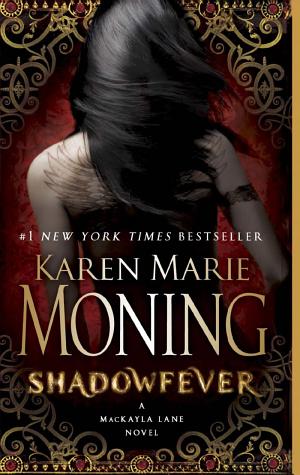
Shadowfever
Mac Lane starts the Fever series as someone not entirely unlike Sookie — Southern, optimistic, slightly naive about the supernatural world she's just been dropped into — and ends it as something else entirely. Shadowfever is the payoff book for the original five-book arc, and it's genuinely relentless. The fae here are dangerous in a way that echoes the later Sookie books where the fae war goes dark. The morally gray MMC, Barrons, is in the Eric tradition: possessive, withholding, occasionally infuriating, and reader-favorite despite all of it.
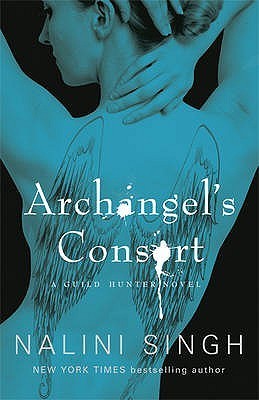
Archangel's Consort
Elena Deveraux is a vampire hunter who falls for an archangel, and the Guild Hunter series handles the power imbalance between mortal woman and immortal supernatural creature with more nuance than most. Archangel's Consort brings the series' ongoing threat to New York with a properly unsettling antagonist, and Elena continues to be one of the stronger heroines in paranormal romance — capable, stubborn, and unwilling to disappear into Raphael's world even as she navigates it. The vampire-and-angel world-building scratches the same itch as Harris's layered supernatural society.
If You Love the Supernatural Mystery Angle
Every Sookie book has a mystery plot running alongside the romance. Some readers come primarily for that structure — someone is dead, Sookie is the only one who can figure out why, and the supernatural politics make solving it complicated. These read the same way.
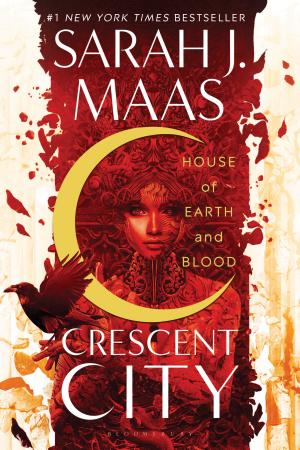
House of Earth and Blood
Crescent City is the closest thing to a Sookie Stackhouse update for the 2020s: urban fantasy setting with a dense supernatural society, a murder mystery driving the plot, a FMC with a specific and unusual power, and a morally gray love interest who takes several hundred pages to admit what he feels. Bryce is more chaotic and pop-culture-fluent than Sookie, the spice level is lower than the SJM reputation suggests, and the mystery plotting is genuinely good — the reveal lands. The found-family dynamic is also much more central here than in most romantasy.
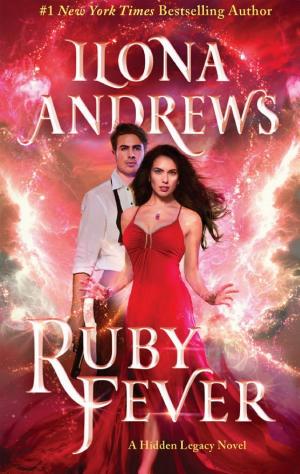
Ruby Fever
The Hidden Legacy series runs on a heroine with a dangerous power navigating a world of magical houses and political intrigue — which is basically the Sookie premise translated to Houston. Ruby Fever is the series finale, and Andrews sticks the landing in a way Charlaine Harris's most vocal readers felt she didn't. The mystery stakes are high, the found-family dynamics pay off, and Catalina is a genuinely satisfying lead. Start at book one (Burn for Me) but know the series only gets sharper as it goes.
If You Love the Fae Complications (Books 6-10)
The back half of the Sookie series leans hard into fae mythology and Sookie's own heritage. These books share that energy.
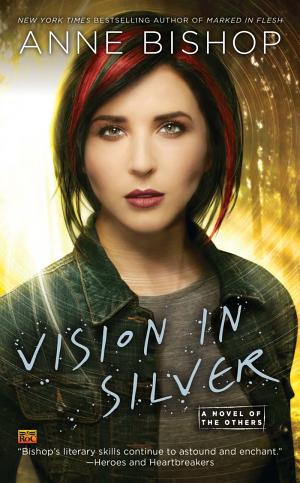
Vision in Silver
Anne Bishop's Others series is the paranormal romance recommendation we give to people who loved the community-and-found-family texture of the Sookie books but want something lower-spice and more emotionally careful. The supernatural beings here are genuinely not-human in ways that feel meaningful, the heroine's specific gift makes her both vulnerable and necessary, and the slow-burn romance is extremely patient. Vision in Silver deepens everything the series set up, and the vampire characters factor in more significantly here. Closed door but emotionally intense.
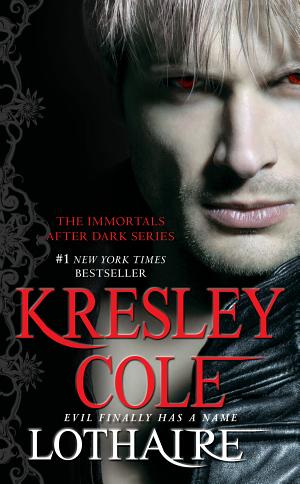
Lothaire
For readers who specifically loved Eric Northman and found the later Sookie books frustrating in how his arc resolved: Lothaire. Cole's vampire is imperious, amoral, and convinced he's the most important person in any room, and the romance here requires him to actually reckon with that. The Immortals After Dark series has overlapping fae, vampire, and shifter mythology that functions similarly to Harris's Supe world, and Cole writes immortal heroes who feel properly old in a way that lands differently from the usual brooding-vampire template. Very spicy. Not remotely closed door.
Tell us what you love and what you avoid. Every book gets scored to match.
Create My Profile