Gena Showalter's Lords of the Underworld series is the paranormal romance that a lot of us cut our teeth on, and for good reason. It's built on a premise that sounds unhinged until you're 400 pages in and completely feral about it: the warriors who opened Pandora's Box were each cursed to host one of the demons inside, and now they live in a fortress in Budapest trying not to destroy everything and everyone around them. Reyes carries Pain. Maddox carries Violence. Aeron carries Wrath. Every book is a new warrior getting his own love story, with his demon fighting him every step of the way. The result is some of the most emotionally messy, possessive, mythology-soaked paranormal romance ever written, and we are not neutral about it.
The series starts with The Darkest Night (Maddox and Ashlyn) and runs through 13+ main entries, novellas, and companion stories. Reading order matters here more than in most paranormal romance series because the overarching plot, particularly the hunt for Pandora's box artifacts and the war against the Hunters, builds book by book. Each installment works as a standalone romance, but skipping around means missing key character beats for the broader cast. We've mapped out the emotional arc below, broken into phases, plus a list of series to read while you wait for your soul to recover.
Fair warning upfront: we have strong feelings about this series. The early books hit different from the later ones. Reyes's book (The Darkest Pleasure) is still the emotional gut-punch of the whole run. The Gideon book (The Darkest Lie) is possibly the most structurally clever. And if you're coming in cold expecting light paranormal fun, know that the content gets dark, the possessiveness is extreme, and the mythology gets increasingly Byzantine by book six. We mean that as a compliment, mostly.
1,000+ romance books tagged by trope. Filter by spice, genre, and series length.
Start HuntingThe LOTU Reading Order, Phase by Phase
The series breaks into three rough phases. Books 1-4 (The Darkest Night, The Darkest Kiss, The Darkest Pleasure, The Darkest Whisper) are the foundation. The world-building is heavy, the mythology is getting established, and each book introduces more of the overarching Hunter conflict. This phase is also where the series hits its emotional peaks. Books 5-9 expand the cast dramatically, pull in new factions, and start weaving in storylines about the Titans, the Greeks, and eventually Cronus himself. Book 10 onward goes full mythology chaos in the best way. The Acheron-equivalent in this series, the one everyone's waiting for, is The Darkest Secret (Amun) and then, for the real fanbase pinnacle, The Darkest Craving (Kane). We'd argue The Darkest Promise and The Darkest Torment are where the mythology ambition overtakes the romance slightly, but your mileage will vary depending on how much you love Lucifer showing up and causing problems.
Now, because the series itself isn't available in our database for direct linking, here's what we've done instead: pulled together the books most likely to scratch the same itch. These are the series and standalones that hit the same notes, whether that's the immortal warrior curse structure, the Greek mythology backbone, the possessive demon hero, or the slow-burn that takes 400 pages to pay off. Read them alongside LOTU, or use them as landing pads when you finish and don't know what to do with yourself.
If You Love the Mythology Scaffolding
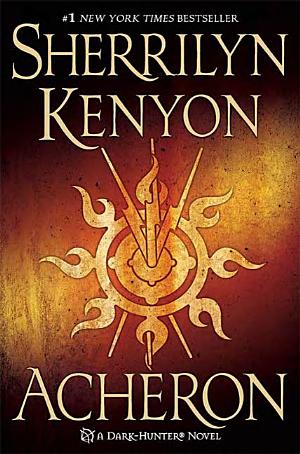
Acheron
This is the obvious first recommendation, and we're making it anyway because it genuinely belongs here. Showalter and Kenyon were writing in parallel in the 2000s paranormal romance explosion, and they're drawing from the same Greek mythology well. Acheron is the Atlantean god who leads the Dark-Hunters, immortal warriors with their own demon-adjacent trauma, and his book is the one the whole series builds toward. If LOTU is your entry drug, Kenyon's Dark-Hunter world is the logical next addiction. Same flavors: mythology, immortal warriors carrying impossible burdens, very possessive heroes, and heroines who somehow hold them together.
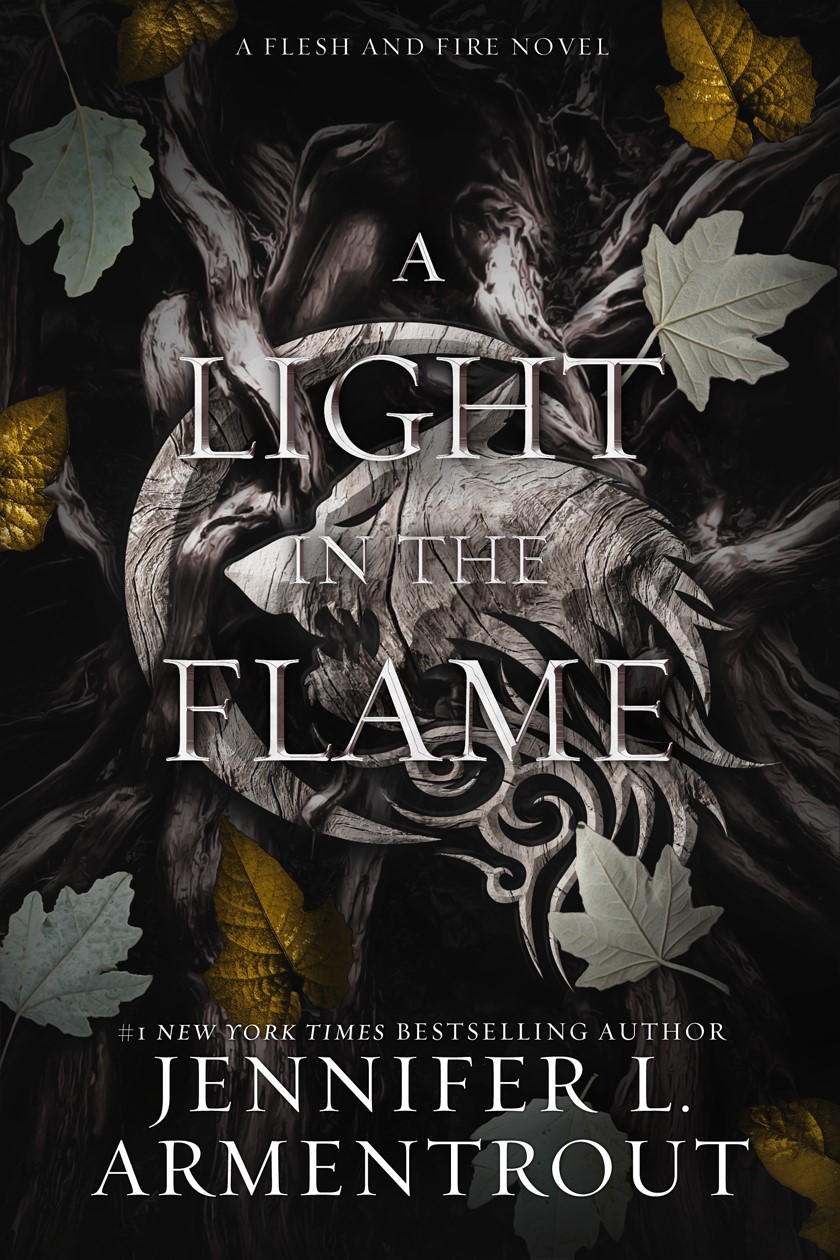
A Light in the Flame
Armentrout is writing adjacent to Showalter's territory here, and this duology is the closest she's gotten to the LOTU texture. Nyktos is an Olympian god of death with a possessiveness problem and a curse situation that's affecting everyone around him. Sera spent her life preparing to kill him. The mythology here is Armentrout's own creation but rooted in Greek structure, the power dynamics are significant, and the spice is scorching. If you love LOTU for the gods-carrying-impossible-burdens-while-falling-for-the-wrong-woman angle, this duology delivers that directly.
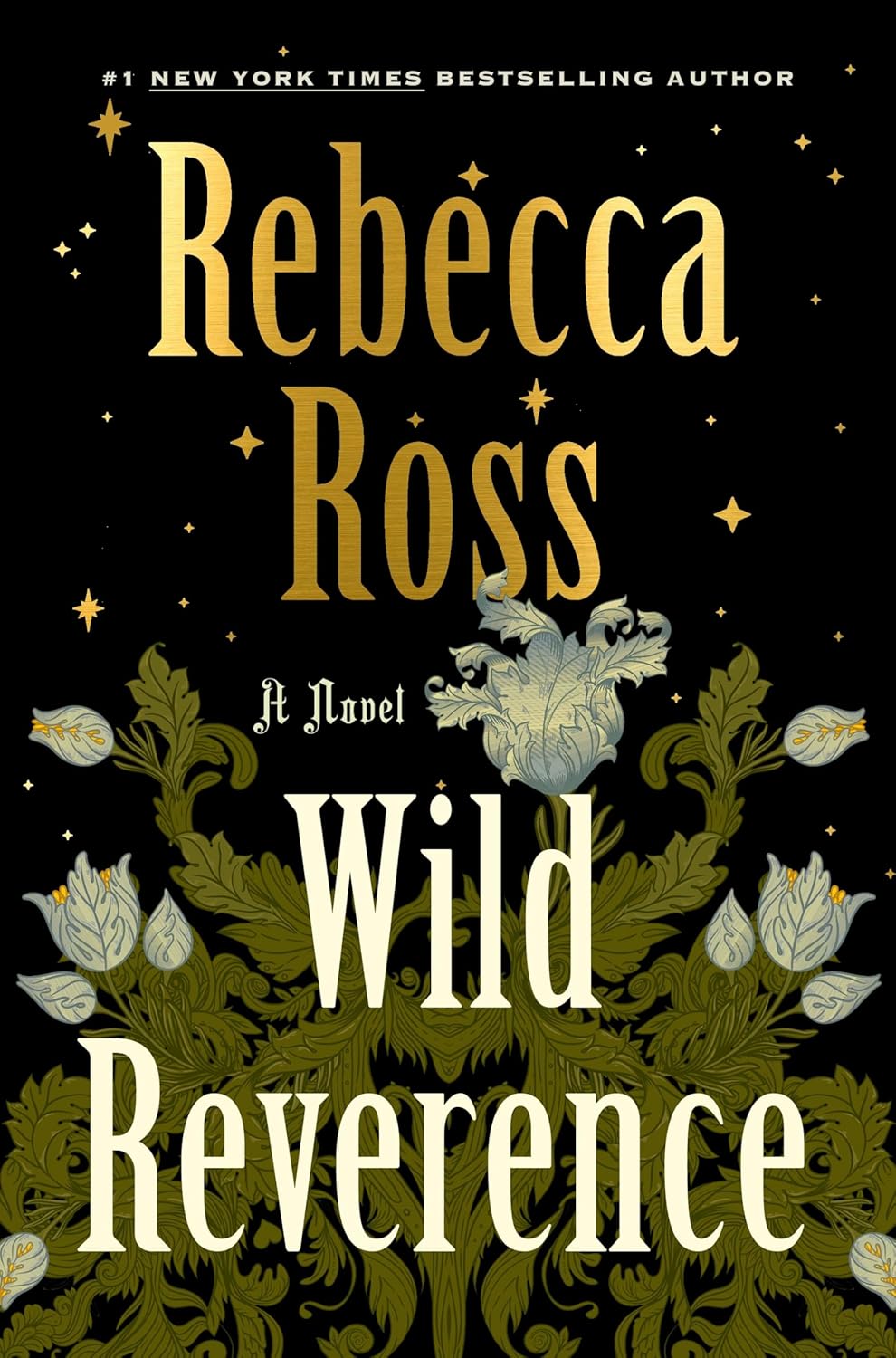
Wild Reverence
Lower spice than most on this list, but the mythology and forbidden love angle is doing heavy lifting. Matilda is a goddess with messenger magic; the god she falls for is exactly the kind she's not supposed to want. Ross writes with a lot of atmospheric ache, and this one has the immortal-lover-forbidden-love combination that LOTU fans tend to respond to. It's quieter than Showalter but hits similar emotional beats, particularly the idea of a supernatural being being unmade by love for someone they were never supposed to have.
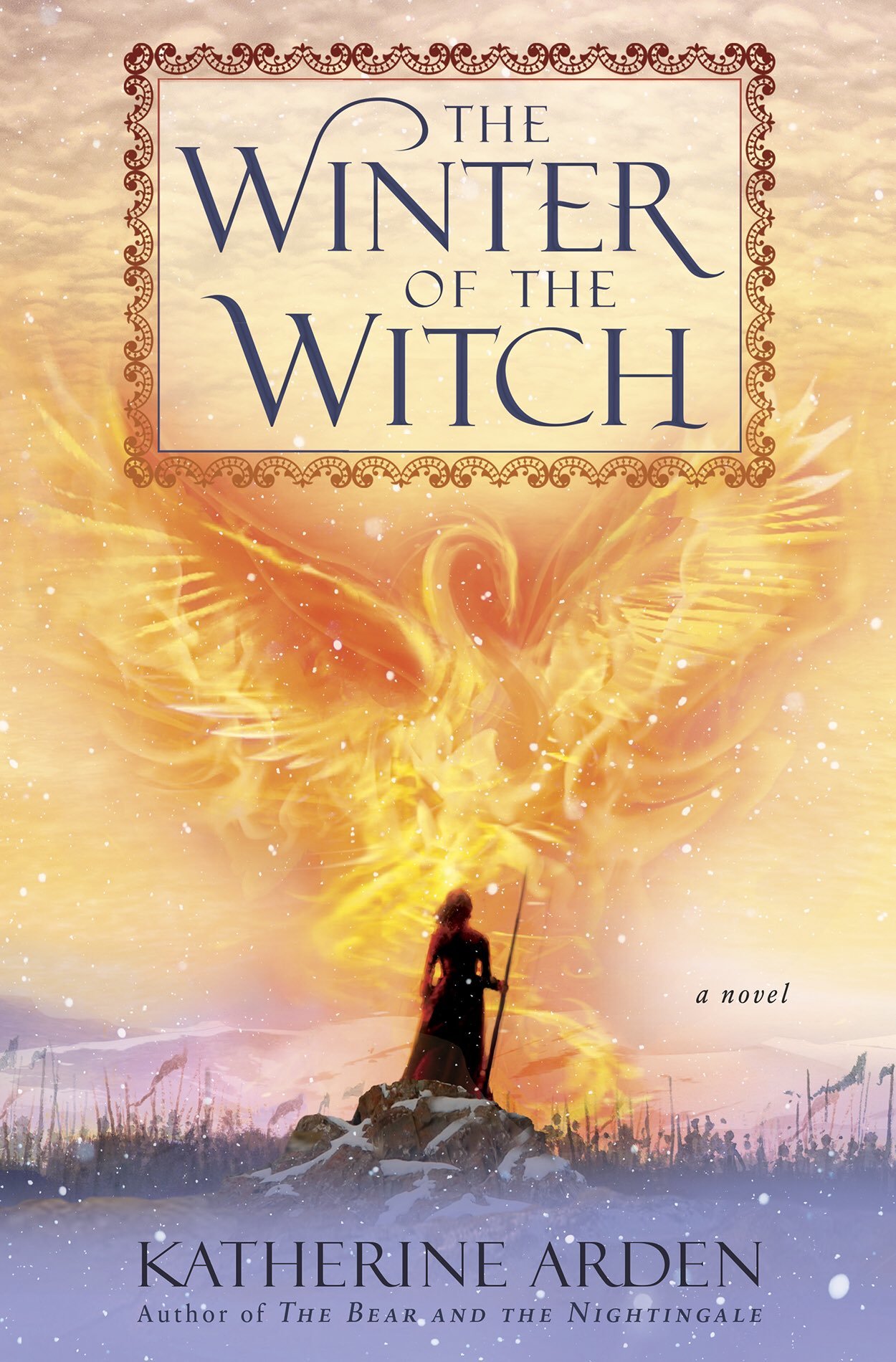
The Winter of the Witch
Arden's Winternight trilogy does something that LOTU also does at its best: takes mythology (Russian folklore here rather than Greek) and builds emotionally devastating romance inside it. Morozko is the winter-king, and Vasya's relationship with him across three books has the same slow, grinding inevitability as the best LOTU pairings. The spice is warm, not scorching, so temper expectations there. But if you're a LOTU reader who loves the "immortal supernatural being gradually destroyed by love for a mortal woman" structure, the Winternight trilogy earns its place on the shelf next to Showalter.
If You Love the Possessive Immortal Warrior
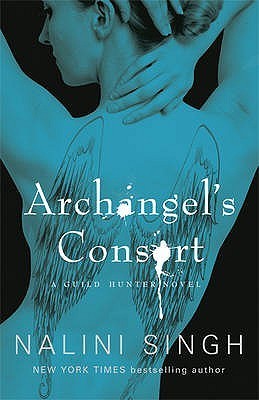
Archangel's Consort
Singh's Guild Hunter series is built on the same bones as LOTU: an immortal being of terrifying power who is absolutely unhinged about one specific woman, a broader supernatural world with its own politics and factions, and a central couple who are unevenly matched in power but not in stubbornness. Raphael is an archangel with a possessiveness problem and a mother who is waking up and threatening global destruction. Elena is a vampire hunter who refuses to be appropriately afraid of him. By book three, the relationship dynamics are hitting their stride and the world feels lived-in the same way the Budapest fortress does by LOTU book four.
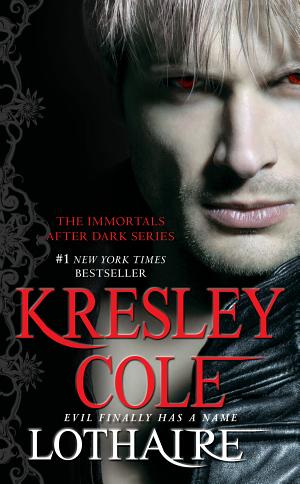
Lothaire
Kresley Cole's Immortals After Dark is the series most likely to already be on your shelf if you love LOTU. Lothaire is the enemy of old, a vampire so arrogant and dangerous that the entire paranormal world is terrified of him, and his book is the one the series has been building toward for twelve entries. Sound familiar? Cole writes possessive immortal heroes with a similar energy to Showalter, and the IAD world has that same lived-in, sprawling quality where every book adds to a bigger tapestry. Lothaire himself makes the LOTU heroes look emotionally available, and that's saying something.
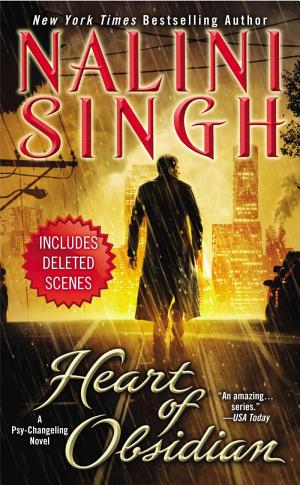
Heart of Obsidian
Kaleb Krychek is the most dangerous man in Singh's Psy-Changeling world, and his book is the pivot point the entire 12-book series has been circling. He found a woman who was taken from him as a child. He has spent decades becoming powerful enough to get her back. That's the setup, and what follows is one of the more emotionally devastating possessive-hero stories in paranormal romance. The LOTU parallel is strong: a near-omnipotent being who has done terrible things, narrowed to one specific obsession, trying to learn how to be something other than a weapon. Singh handles it with more psychological nuance than most.
If You Love the Spice and Emotional Chaos
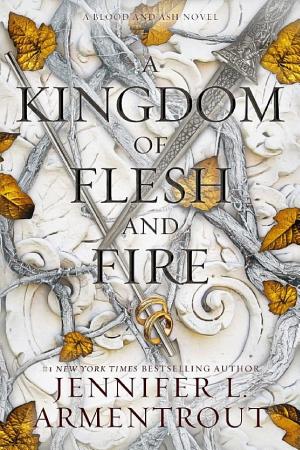
A Kingdom of Flesh and Fire
Armentrout is doing something similar to Showalter in terms of pacing and emotional architecture, and the Blood and Ash series is her most comparable work in terms of sheer emotional and physical intensity. Hawke is possessive in exactly the way LOTU heroes are possessive, meaning it crosses lines that require the reader to be on board with that flavor of paranormal romance. Poppy is discovering she's not who she thought she was. The mythology is original but dense, the betrayal-to-trust arc in this second book is the emotional core, and the spice is scorching. Readers who made it through the whole LOTU series and want that same commitment-to-escalation feeling will find it here.
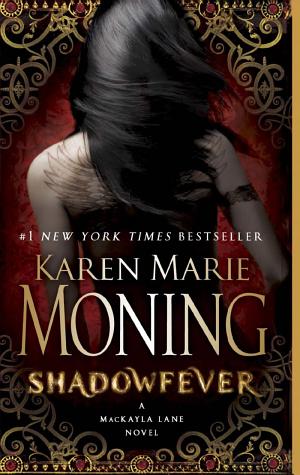
Shadowfever
The Fever series has been running alongside LOTU in paranormal romance conversations since the late 2000s, and Shadowfever is where all five books of setup pay off. Mac is no longer recognizable as the woman from book one. Barrons has been the most infuriating MMC in paranormal romance for four books, and here we finally get answers. The Fae mythology is its own dense system, distinct from LOTU's Greek base but equally committed to its internal logic. If LOTU is your measuring stick for paranormal romance, Fever is the series most likely to sit at the same level. Shadowfever specifically will destroy you, then put you back together slightly wrong.
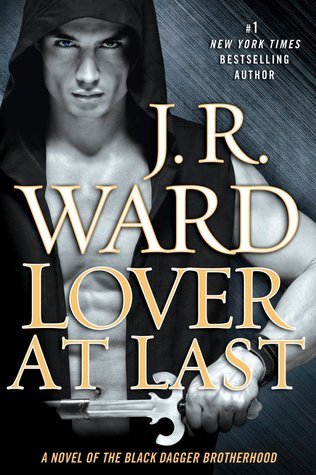
Lover at Last
Black Dagger Brotherhood is the third pillar of the 2000s paranormal romance explosion alongside LOTU and Dark-Hunter, and it holds up. Qhuinn has been a fan favorite for years, a disavowed warrior who found his identity fighting for others, and his slow-burn toward Blay is one of the most emotionally expensive friends-to-lovers arcs in the genre. The Brotherhood world has the same found-family-in-a-compound structure as LOTU's Budapest fortress. Ward writes immortal warriors with a similar intensity, and by book 11 the world is fully established enough that the romance can carry everything without the world-building fighting it.
Tell us what you love and what you avoid. Every book gets scored to match.
Create My Profile