Faith Hunter's Jane Yellowrock series is one of the best reasons to love urban fantasy. Jane is a Cherokee skinwalker who can shift into almost any animal, works as a vampire hunter for hire, and operates in a post-Coming-Out world where vampires are legal citizens in New Orleans. She's morally complex, physically brutal, and carrying centuries of trauma she's still working through. The series runs fifteen novels plus novellas, and the reading order matters, full stop. Relationships and lore compound across every book.
We'll be honest: the first book, Skinwalker, is a slow build. The voice can feel abrasive at first and the mystery plot is not the point. The point is Jane herself, and Beast, the mountain lion soul she shares her body with. Once that clicks, you're in for the long haul. The series gets denser, the politics get thornier, and the romance with Leo Pellissier and later Rick LaFleur and others becomes genuinely complicated in ways that don't resolve cleanly.
Since we don't have the Jane Yellowrock novels directly in our database, we've built this post two ways: a proper reading order guide in the text, and a curated list of books from our catalog that share the same DNA. If you've torn through Jane and need something to read while your TBR recovers, these are the ones we'd reach for. Strong heroines, vampires, shifters, and a healthy amount of moral ambiguity.
1,000+ romance books tagged by trope. Filter by spice, genre, and series length.
Start HuntingThe Jane Yellowrock Reading Order (Quick Reference)
The core series published by Roc runs as follows. Read them in order, especially books 1 through 5, which form a continuous arc around Jane's origins and her relationship with the New Orleans vampire clans.
- Skinwalker (2009) — Jane arrives in New Orleans to hunt a rogue vampire. Beast POV introduced. Spice: essentially none. Tropes: strong heroine, shifters, supernatural mystery.
- Blood Cross (2010) — The vampire politics deepen. Jane's Cherokee heritage becomes more central. Content warning: child harm, historical trauma.
- Mercy Blade (2011) — Rick LaFleur enters the picture properly. First real romantic tension. Shifter politics expand significantly.
- Raven Cursed (2012) — Jane's power set evolves in ways the series will keep building on. The love triangle gets real.
- Death's Rival (2012) — A plague targeting vampires. Jane working directly for Leo Pellissier, which is uncomfortable and interesting.
- Blood Trade (2013) — Mississippi trip. Found family elements strengthen. Content warning: sexual trafficking, violence against women.
- Black Arts (2014) — The soul shard mythology becomes critical here. Don't skip the novellas before this one.
- Broken Soul (2014) — Probably the book where the series fully becomes what it always was trying to be.
- Dark Heir (2015) — The Son of Darkness arc. Genuinely unsettling villain.
- Shadow Rites (2016) — Witch politics enter. Jane's relationships with everyone around her shift significantly.
- Cold Reign (2017) — European vampires descend on New Orleans. The scope expands uncomfortably.
- Dark Queen (2018) — Political climax. Major status quo changes.
- Shattered Bonds (2019) — Jane at her lowest. Hard to read, worth it.
- True Dead (2021) — The endgame begins.
- Final Heir (2022) — Series conclusion. Divisive but complete.
The novella collections (Cat Tales, Beneath a Bloody Moon, Of Claws and Fangs) fill in gaps that matter. We'd particularly recommend reading WeSa and the Painted Cat before Dark Heir and the Evan Trueblood novellas before Shadow Rites.
Content warnings across the series: violence against women, sexual assault (mostly off-page, historical), child abuse (historical), trafficking, graphic combat, animal death, racial trauma, and some deeply uncomfortable power dynamics in the Leo/Jane dynamic that the series is aware of but doesn't always handle cleanly.
If You Love Jane, Read These Next
We looked for books that hit the same notes: a heroine who handles her own problems, paranormal world-building that rewards patience, and romance that doesn't overshadow the plot. These aren't substitutes, they're companions.
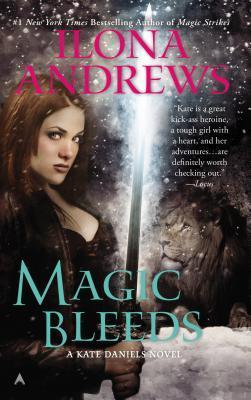
Magic Bleeds
This is the book most Jane readers get handed first, and for good reason. Kate Daniels is the closest spiritual cousin in the genre: wisecracking, supernaturally lethal, operating in a post-apocalyptic Atlanta where magic and technology flux. By book four, Kate and Curran finally stop circling each other, and the payoff is earned. The world-building is dense the same way Jane's is, where you feel the weight of politics and history behind every fight. The main difference is Andrews writes funnier. Ilona Andrews writes funnier than almost everyone.
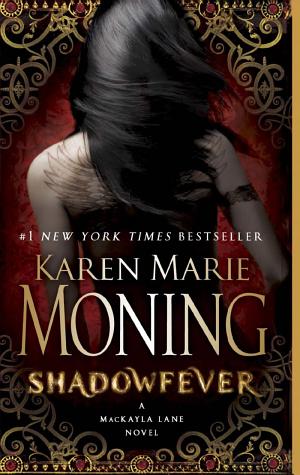
Shadowfever
The Fever series shares Jane's DNA in ways that are almost uncanny: a heroine who transforms over the course of the series into something harder and stranger than she started as, a morally gray romantic lead with power over her she's furious about, and an Irish urban fantasy setting packed with dangerous fae instead of vampires. Shadowfever is the payoff book, the one where every secret gets ripped open. Start at book one (Darkfever), but know it builds toward this. Mac's voice is more raw and less wry than Jane's, which some readers prefer.
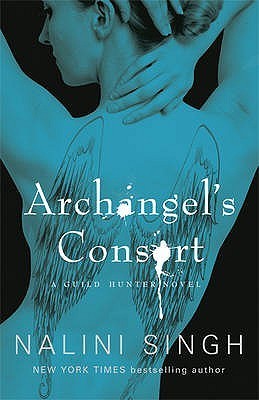
Archangel's Consort
Elena Deveraux is a vampire hunter who ends up mated to the most dangerous archangel on the planet. Sound familiar? The power-imbalance romance Jane readers keep bumping into with Leo and Elohim finds a close mirror here, except Singh foregrounds the discomfort and works through it across the series. The Guild Hunter world features vampires as something closer to what they are in Jane's world: political, hierarchical, and old in ways that matter. By book three, the world-building is dense enough that it genuinely rewards attention.
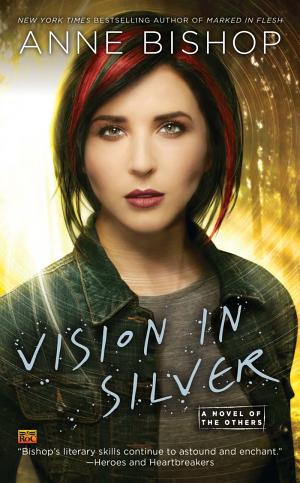
Vision in Silver
Lower spice than the rest of this list, which we're flagging upfront. Anne Bishop's Others series features a human woman named Meg Corbyn living among a community of shapeshifters who are emphatically not human-friendly, and the slow accumulation of trust and found family between them is the whole emotional engine. Cassandra Sangue prophecy mechanics are strange and well-built. By book three, the world has expanded to show just how fragile the peace between humans and Others really is. If you loved the found family thread in Jane's series, this might hit harder than anything else on this list.
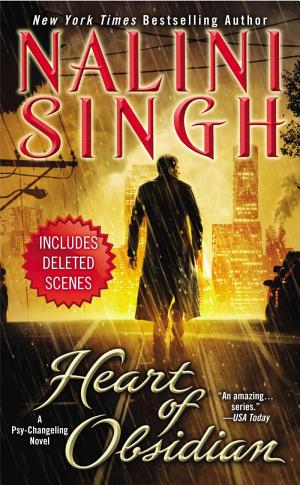
Heart of Obsidian
This is the book the Psy-Changeling series builds toward for eleven books, which means it requires investment but delivers something genuinely unusual: a romance where the hero is one of the most powerful and morally compromised men alive, and the book doesn't blink at what that means. Kaleb Krychek has done terrible things. Singh doesn't redeem him cheaply. If you responded to the Leo Pellissier sections of Jane's series, the parts where Jane can't entirely trust or entirely leave him, Kaleb will get under your skin the same way.
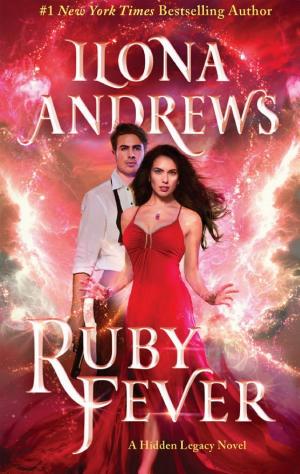
Ruby Fever
The Hidden Legacy series is Andrews at their most polished: a Houston where magic runs in bloodlines and powerful families operate like crime dynasties. Catalina Baylor is quieter and stranger than either Kate or Jane, with abilities that make people around her unsettlingly compliant. The series conclusion is tight and satisfying in the way long-running urban fantasy often isn't. If you're burned out on series that never end, this is the antidote. Six books, clean landing.
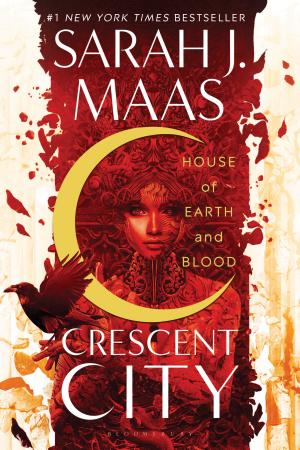
House of Earth and Blood
Crescent City is the most Jane-adjacent of the SJM books, full stop. Bryce Quinlan is a half-Fae woman in a city where every supernatural species coexists uneasily, she works with a vampire-adjacent dealer, and the central mystery is a murder investigation with political roots. The tone is different, there's more humor and more nightlife glamour, but the found family devastation hits in a similar place. The romance is slower than Maas's other series, which works in its favor. Hunt and Bryce have the kind of history that makes their relationship feel earned.
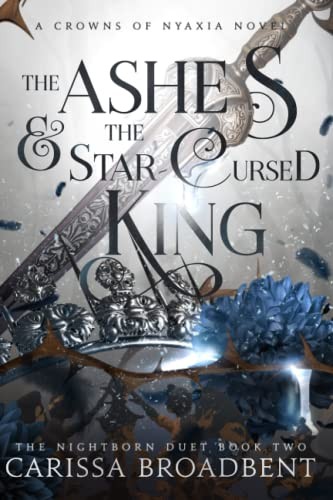
The Ashes and the Star-Cursed King
Vampire court politics, a heroine who was raised in a system designed to exploit her, and a morally gray vampire king who falls first and hard. Broadbent writes vampire politics with the same kind of layered history Faith Hunter does, and Oraya's situation after the Kejari has the same quality of aftermath Jane carries around. The romance is high-tension slow burn, the power dynamics are uncomfortable in useful ways, and the world-building has genuine internal logic. The spice earns its place rather than interrupting the plot.
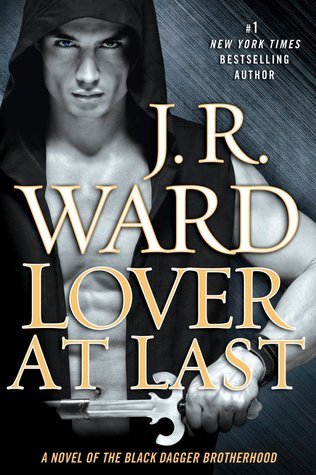
Lover at Last
BDB is the other mega-series that Jane readers tend to either already know or need pointed toward. Ward's vampire brothers are brutal, emotionally complicated, and operating in a world where the rules around power and consent get examined rather than glossed. By book eleven, the found family is enormous and the lore is layered enough that the emotional payoffs only work if you've done the work. The series has its own internal style, capitalized species names, invented slang, that takes some adjustment, but it rewards patience in the same way Jane does.
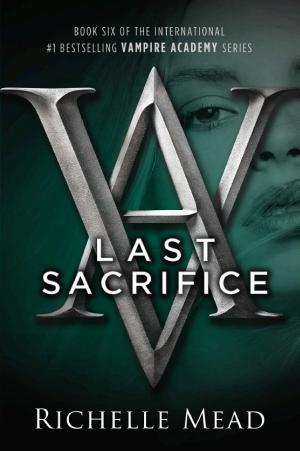
Last Sacrifice
Vampire Academy is YA-adjacent but Mead writes Rose Hathaway as the kind of heroine Jane readers recognize immediately: trained, dangerous, loyal to a fault, and dealing with a love triangle that refuses to resolve cleanly. The vampire court politics in this series are sharper than they get credit for. Last Sacrifice is the series conclusion, and it's satisfying in the specific way Jane readers want endings to be satisfying: the heroine doesn't give up who she is to get what she wants. The bodyguard romance thread, Rose protecting Lissa while her own life is on the line, is one of the better executions of that dynamic in the genre.
Tell us what you love and what you avoid. Every book gets scored to match.
Create My Profile