Dark romance is not one thing. There's a massive difference between "morally gray fae king has complicated feelings" and "eldritch entity with monstrous anatomy will not be taking questions." Both are dark romance. Both have devoted readers. But walking into the wrong one for your current headspace is a genuine problem, and "dark" on a cover tells you almost nothing.
We went through every dark romance series in our database and organized them by intensity: how dark the content actually gets, how explicit the spice runs, and how much the power dynamics will make you put the book down and stare at the wall. We're biased toward books where the darkness serves the emotional arc, not just the shock factor, but we've included the full spectrum because different readers need different things on different days. Consider this your before-you-commit guide.
We've split these into rough tiers. "Lower Intensity" means dark themes, morally gray characters, court politics — but the violence and power imbalance stay within the genre's softer edge. "Mid Intensity" is where most dark romantasy lives: possessive heroes, real stakes, spice that earns its scenes. "High Intensity" is the deliberately uncomfortable end — the books that lean into captivity, obsession, and content that will genuinely not be for everyone. Know your limits before you start.
1,000+ romance books tagged by trope. Filter by spice, genre, and series length.
Start HuntingLower Intensity: Dark Themes, Earned Tension
These series are dark in the sense that matters — morally gray characters, real consequences, court politics that bite — but they're not trying to make you uncomfortable for sport. The slow burn is doing real work here.
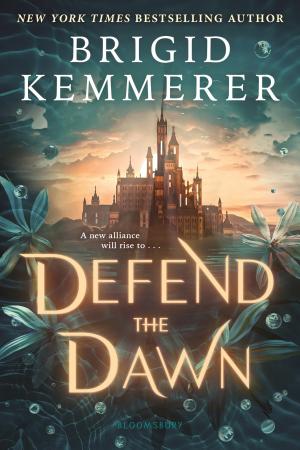
Defend the Dawn
Tessa has gone from masked outlaw to palace advisor, and the kingdom is still rotting from the inside. What makes this series work at a lower intensity is that Kemmerer earns every beat — the forbidden pull between a prince whose brother is actively dying and a girl who represents everything he shouldn't want feels genuinely dangerous without the content veering into territory that requires trigger warning lists. The slow burn is patient, the court politics are legitimately tense, and the enemies-to-lovers arc has real ideological weight behind it. A good entry point for readers who want dark romantasy without the power imbalance being the main event.
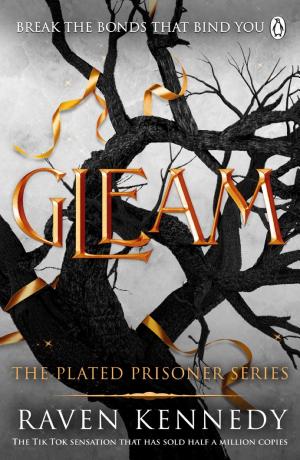
Gleam
By book three of The Plated Prisoner, Auren has started to understand what her gilded cage actually cost her, and Kennedy uses that dawning awareness as the engine for everything that follows. The darkness here is psychological — a woman untangling decades of captivity and conditional love — rather than explicit content. The spice is earned and present but not the point. The morally gray MMC is one of the better examples in romantasy of a character who is genuinely compromised without being redeemed too easily, and the power reveal in this installment is satisfying in a way that book three reveals often aren't. Five books feels like the right length for this story; we haven't gotten impatient yet.
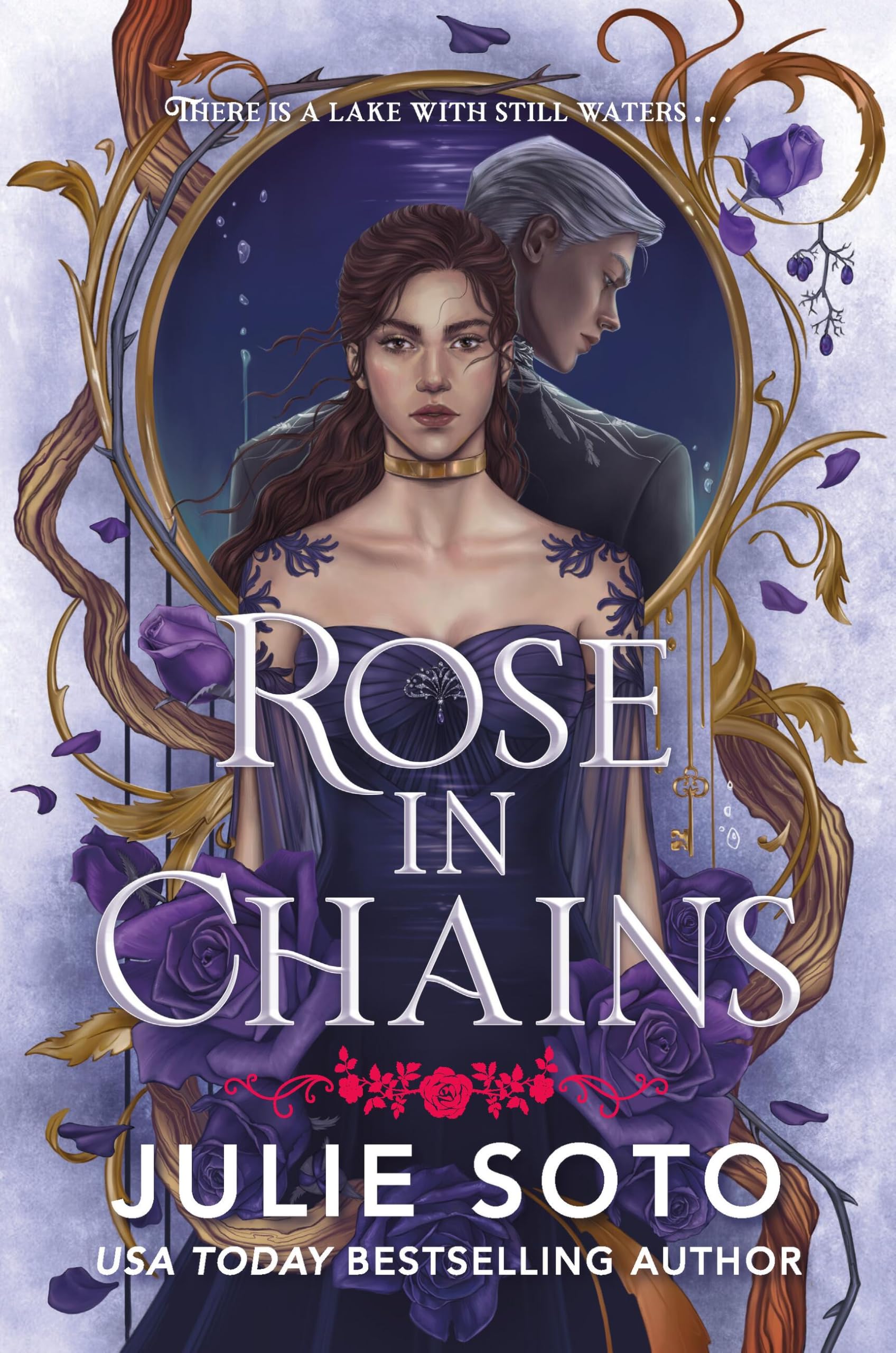
Rose in Chains
The war is over. The dark forces won. The hero who was supposed to save everyone is dead. Rose in Chains opens on a world where the romantasy premise has already failed, and Briony Rosewood is navigating capture in a court that operates on entirely different rules now. The enemies-to-lovers dynamic has real structural weight behind it because both characters are on the wrong side of a war that already ended badly. The spice is steamy rather than scorching, the power play is present but not the book's identity, and the emotional stakes are high enough that we finished this one in a sitting.
Mid Intensity: Possessive Heroes and Real Stakes
This is the core of what most dark romance readers are looking for. The heroes are possessive, the dynamics are uncomfortable in the ways the books intend, and the spice earns its place. Trigger warnings start to matter here — check before you start a series.
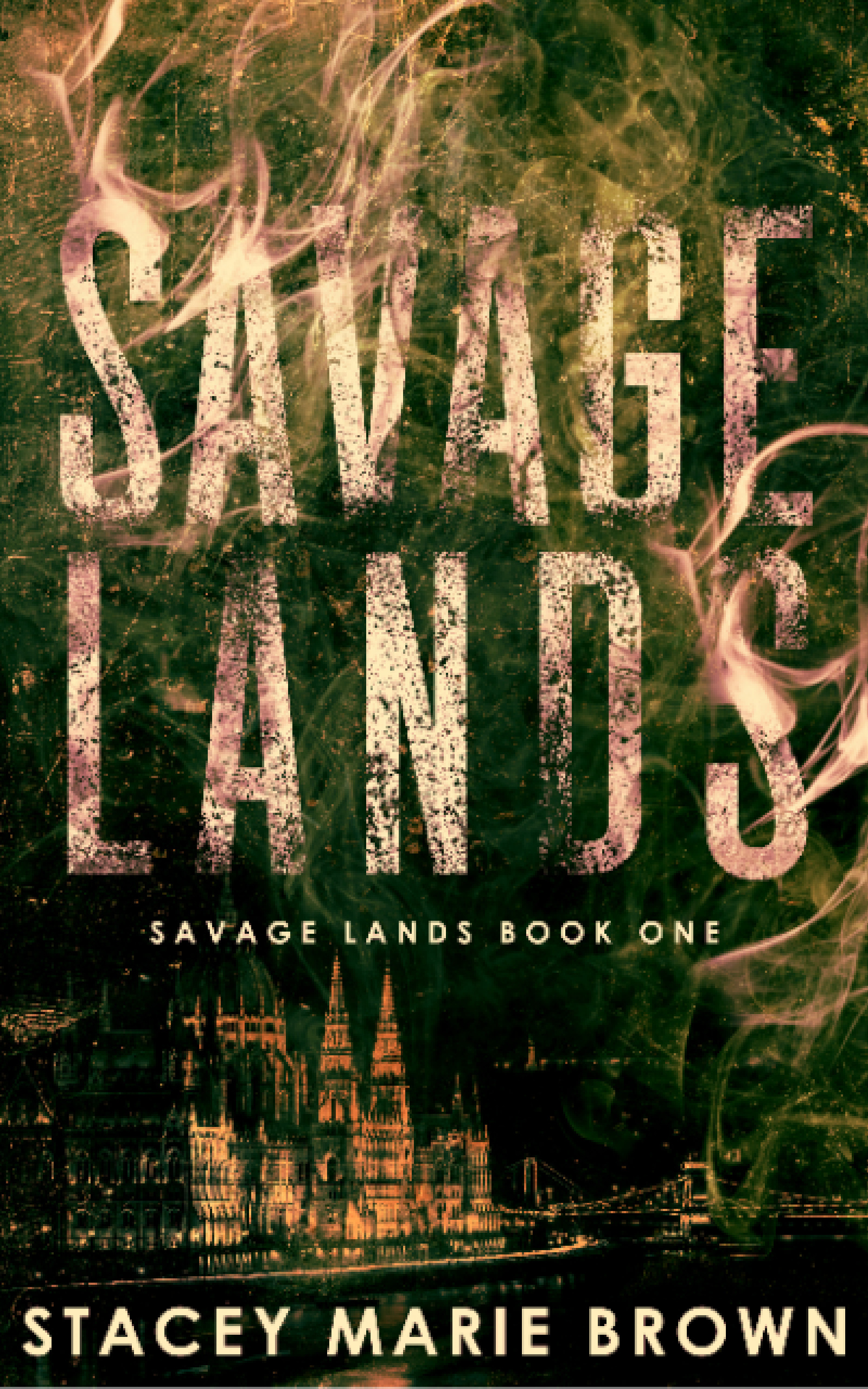
Savage Lands
A fae-blood girl thrown into a brutal fae prison camp, a dangerous fae warrior who is both her worst nightmare and her only option for survival — Savage Lands commits to the hostile-environment setup in a way that a lot of forced proximity romantasy doesn't. The world is genuinely grim, the enemies-to-lovers progression is slow and earned, and Stacey Marie Brown doesn't soften the fae or the politics to make the romance easier. Five books at a consistent quality level is rare. The dystopian world backdrop makes the darkness feel structural rather than decorative, which we appreciate.
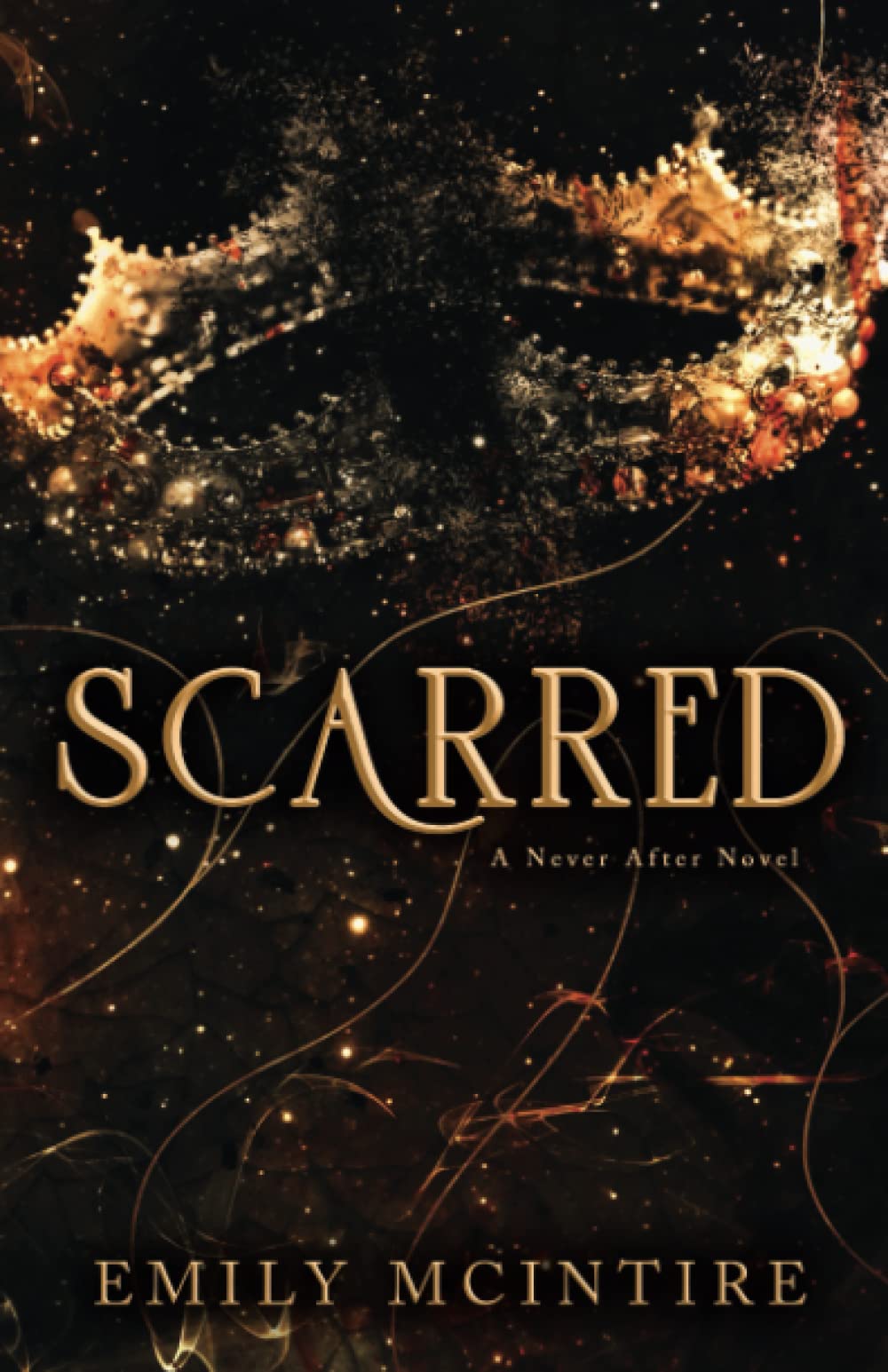
Scarred
Emily McIntire's Never After series takes fairy tale retellings and pushes them toward the edges the source material always had but sanitized. Scarred is the Beast retelling, and Prince Tristan is genuinely damaged in ways that the romance has to work around rather than through. The villain love interest framing is earned — he's not villain-coded for aesthetics, he's actively done things. The arranged marriage setup creates the kind of containment that makes dark romance dynamics feel purposeful rather than random. The he falls first arc is quietly devastating. The Never After books work as standalones, but reading in order rewards you.
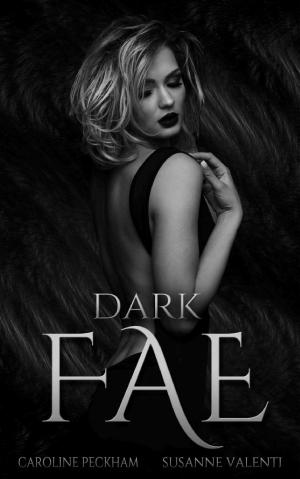
Dark Fae
Peckham and Valenti write reverse harem dark fae academy with more consistency than most authors manage in a single-hero series. The Celestial Heirs are actively cruel in the early books — not brooding-with-a-secret cruel, but deliberate and organized about it — and the FMC's resistance is what drives the story forward. The magic academy setting with power play dynamics is extremely well-worn territory, but the zodiac magic system gives it enough texture to stay interesting across five books. Be aware: these books are long, and the reverse harem builds gradually. Don't expect everyone to be on the same page by book one.
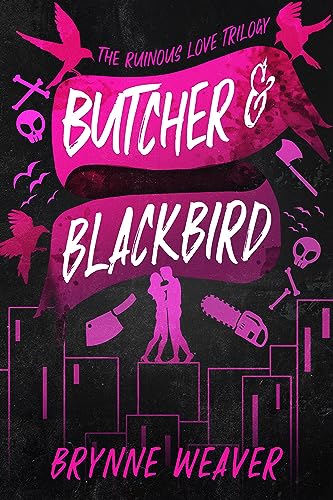
Butcher & Blackbird
Two serial killers who meet at crime scenes and develop feelings — this is the book that broke Bookstagram in 2023 and held up to the hype better than most viral reads do. The humor and banter is what people don't expect: it's genuinely funny, which makes the darker elements land harder rather than lighter. The friends-to-lovers arc across a series about assassins who find each other professionally fascinating is a more interesting structure than most dark romance manages. We'd put this at mid-intensity rather than high because the dark content is genre-adjacent rather than personally threatening to the FMC. The violence is outward-facing.
High Intensity: Obsession, Monsters, and Uncomfortable Dynamics
These books are doing something specific and they're not apologizing for it. The power imbalances are extreme, the spice is scorching, and some of the content is deliberately designed to make you interrogate your own reaction to it. Read the trigger warnings. Read them again.
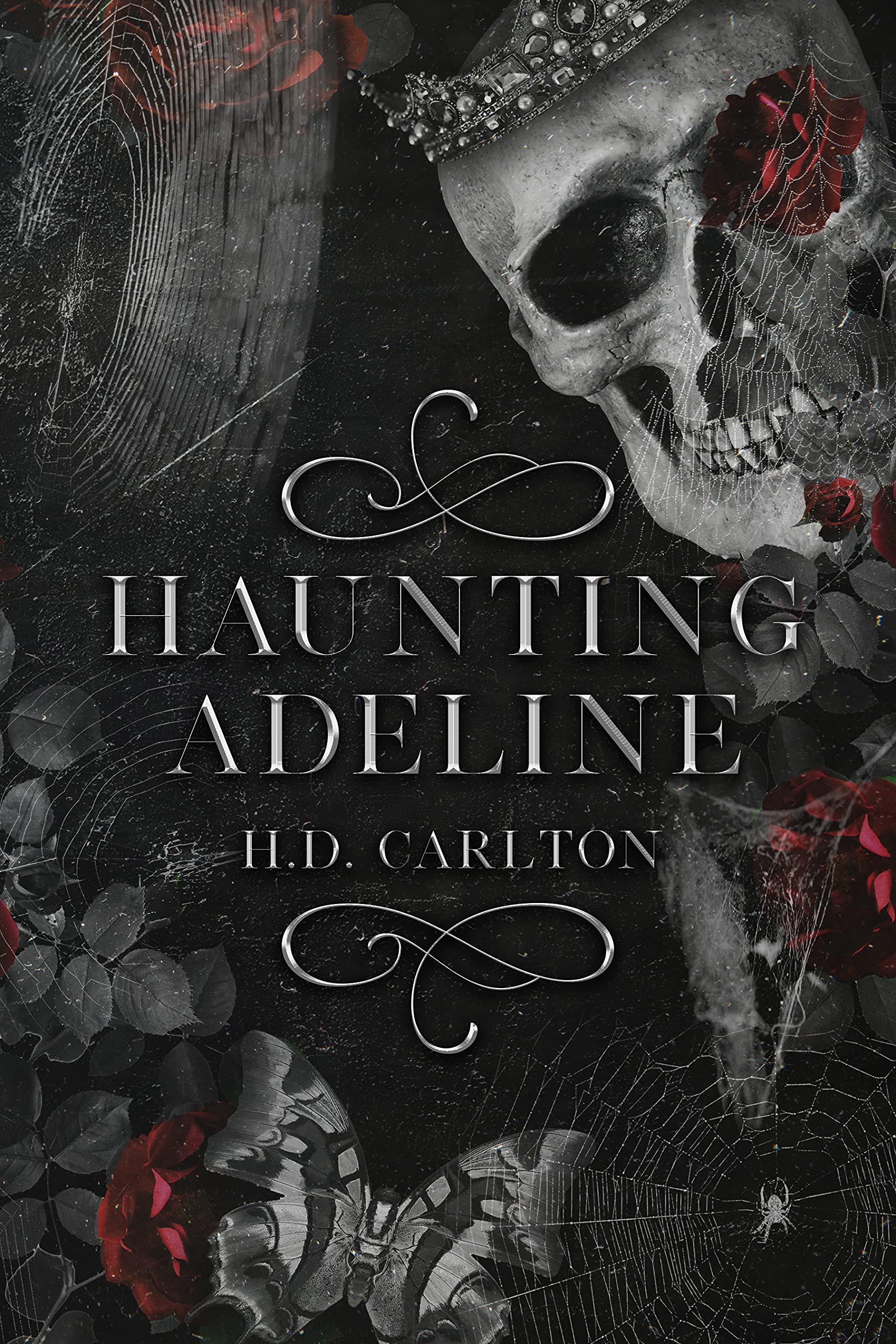
Haunting Adeline
The stalker romance that became the reference point for an entire subgenre boom. Zade is not redeemable in any conventional sense, and Carlton doesn't try to make him redeemable — she makes him comprehensible, which is a different and more disturbing thing. The possessive hero here crosses well past the genre standard. The dark and gritty content includes serious criminal activity beyond the stalking, the spice is scorching throughout, and the power play is the architecture of the entire book. Adeline's strength as a heroine is real and not token, which is what keeps this from feeling purely punishing. Still: the most-asked question we see is "is this too dark for me?" and the honest answer is maybe. Check the trigger warnings.
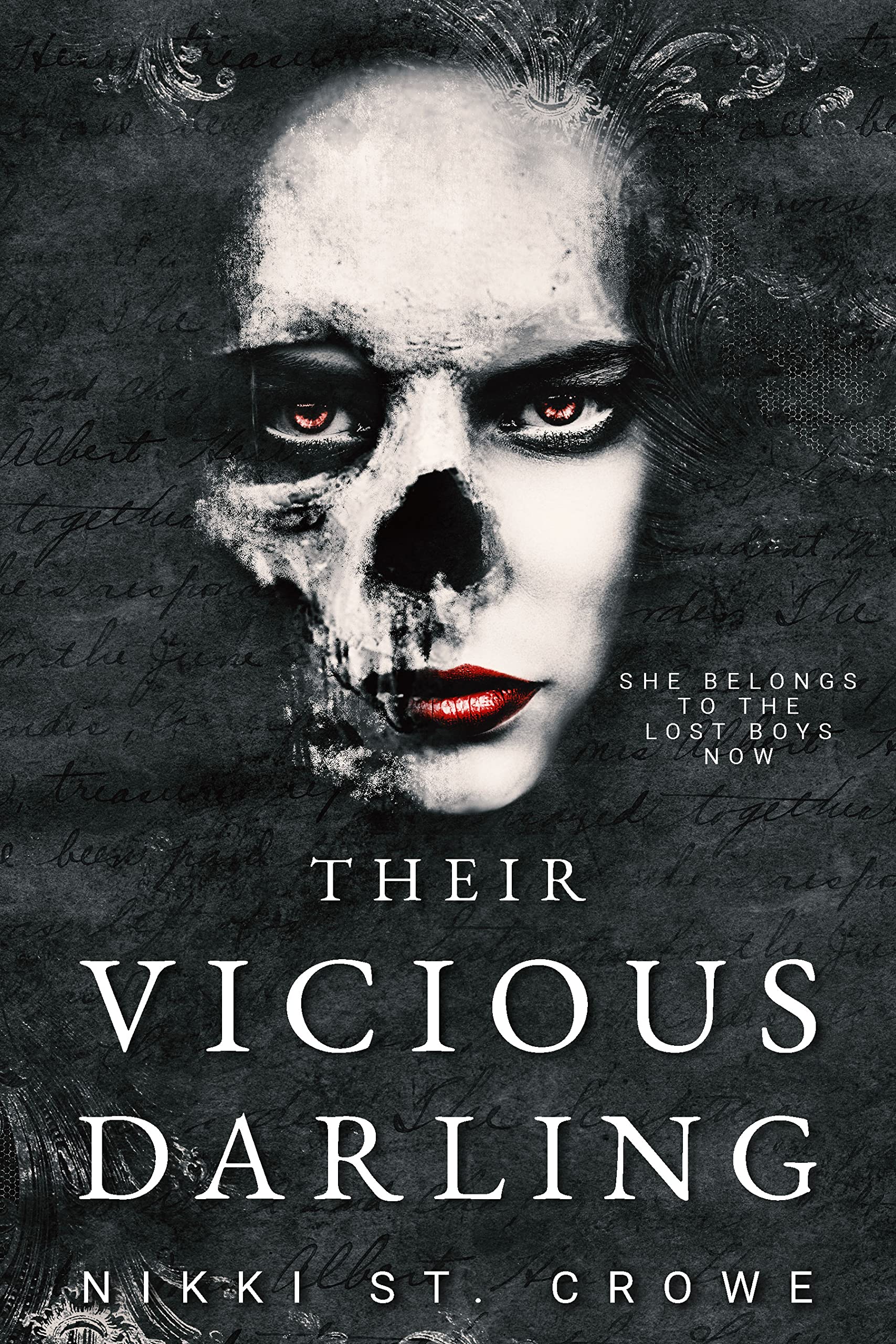
Their Vicious Darling
Nikki St. Crowe's Neverland retelling goes places the Peter Pan fandom was not prepared for. By book three, the reverse harem dynamics are fully established, the fae and immortal lover elements are layered enough to feel like a real world, and the monster intimacy content is explicit and central rather than incidental. The possessive hero element is multiplied by three, and the brothers' dynamic adds tension that a single-hero book can't replicate. This is a series where you need to start at book one — dropping in at three will confuse you and rob you of the payoff. High intensity because of cumulative possessiveness and explicit content, not because of gratuitous darkness.
Soul of a Witch
Harley Laroux writes monster heroes who are not metaphors for anything — they are demons, they have monstrous anatomy, and the intimacy is explicit about all of that. Soul of a Witch closes the Souls Trilogy with a witch FMC who has spent her whole life having her power controlled by a religious cult, and the demon who becomes obsessed with her is a particularly satisfying foil for that history. The he falls first arc across this series is genuinely well-constructed. The kink content is explicit and present throughout. This sits at high intensity for explicit monster content and cult-adjacent trauma, but Laroux earns the darkness with emotional payoff that a lot of this subgenre doesn't bother with.
Tell us what you love and what you avoid. Every book gets scored to match.
Create My Profile