We have a bias to admit upfront: we are deeply suspicious of fantasy romance that treats darkness as decoration. The brooding aesthetic, the shadowy cover, the back-cover copy promising danger, and then you open it and the world is basically fine, the villain is basically toothless, and the only thing at stake is whether two pretty people figure out they like each other. That's not dark. That's dark-adjacent, and there's a difference.
The books on this list earn the label. The worlds are genuinely hostile. The magic systems have teeth. Characters lose things that don't come back, make choices they can't undo, and the romance doesn't exist outside that pressure, it exists because of it. Love that costs something hits differently than love that's just inconvenient.
We've split these into rough groups by what kind of dark we're talking about, because dark fantasy romance is a wide tent. Political brutality, monsters with agency, mythological horror, post-apocalyptic survival. Pick your poison.
1,000+ romance books tagged by trope. Filter by spice, genre, and series length.
Start HuntingCourt Politics as a Blood Sport
These are books where the romance is tangled up in power structures that would happily destroy both people involved. The political stakes feel real enough to make every tender moment precarious.
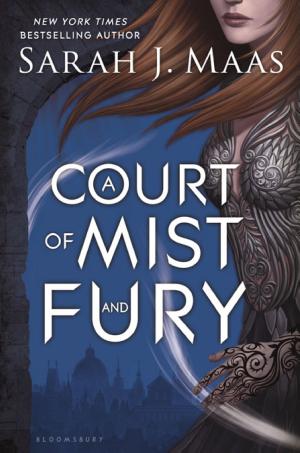
A Court of Mist and Fury
The first book is a fairy tale retelling with some grit. This one strips that away entirely. Feyre is traumatized in the specific, unglamorous way trauma actually works, and Rhysand's court is built on a lie that costs everyone something. The Illyrian war camps, the inner circle's backstories, the politics of keeping the human world ignorant while the fae edge toward civil war, none of it is clean. And the romance only works because both characters are genuinely broken and have to choose each other anyway.
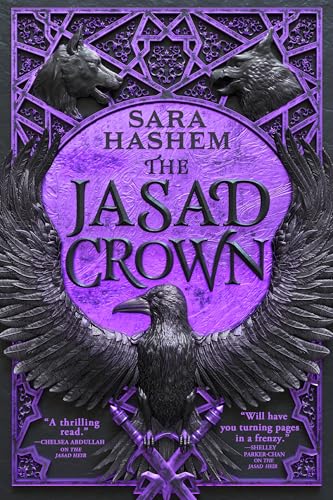
The Jasad Crown
Sara Hashem writes with a precision that most romantasy authors don't bother with. Sylvia spent years surviving by hiding what she is, and when her identity as Jasad's last queen is exposed, the political cost is immediate and brutal. The romance between her and Arin has been built on competing loyalties and deliberate deception, so when it cracks open it actually hurts. A tight duology, which means no filler, no padding, just the story getting worse and then getting earned.
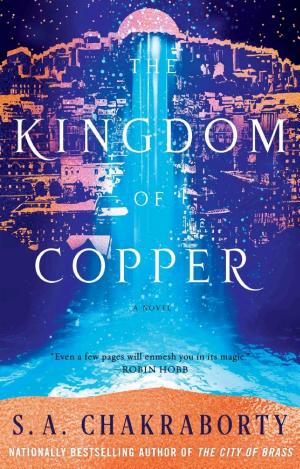
The Kingdom of Copper
Fair warning: this is not spicy. What it is, is one of the most carefully constructed dark political fantasies in the genre right now, with a love triangle that functions as a genuine moral dilemma rather than a plot device. Nahri is trapped in a city built on slavery and sectarian violence, married to a man who is trying to be good inside a system that punishes goodness, and drawn to a djinn warrior who represents everything she was told to fear. The romance is almost secondary to the world's horror, and that's exactly what makes it land.
Vampires, Obsession, and the Cost of Power
These books understand that the monster-adjacent love interest only works if the monstrousness is real, not metaphorical. These MMCs have done things. Will do things again.
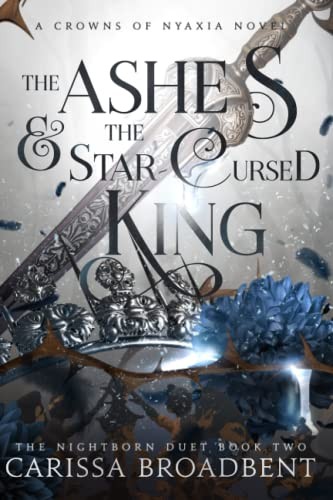
The Ashes and the Star-Cursed King
Carissa Broadbent does not let her characters off easy. Oraya is grieving, furious, and trapped in a kingdom that considers her a lesser being, and Raihn, the vampire king she's now bound to, has a past that keeps getting worse the more you learn it. The blood magic system is genuinely dark in its implications, not just aesthetically. This is the book where the series commits, and if the first book's slow setup frustrated you, this is where it pays off.
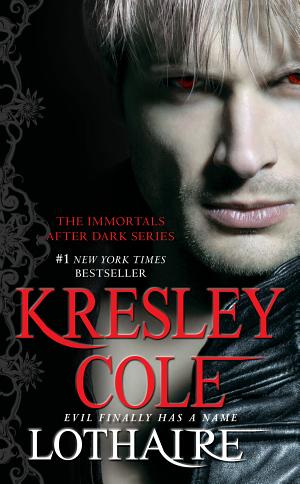
Lothaire
Kresley Cole writes villains who are actually villainous, and Lothaire is the most extreme example in the Immortals After Dark series. He is ancient, amoral, and has been planning his revenge across millennia. The human woman who gets dragged into his orbit is not charmed by him, not immediately, and he doesn't soften on a schedule. This is one of those books that makes you uncomfortable about enjoying it, which is usually a sign it's working. Jump-in point for the series if you want the darkest possible entry.
Mythological Horror, God-Scale Stakes
Gods in these books aren't benevolent. They're catastrophically powerful, occasionally monstrous, and the mortals or demigods loving them are doing so at real risk.
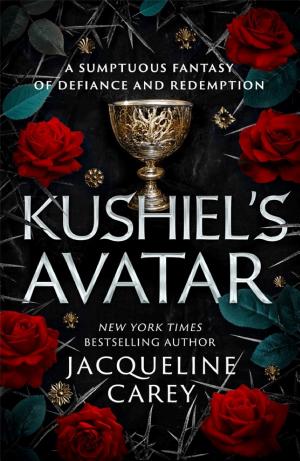
Kushiel's Avatar
This is the book where Jacqueline Carey stops playing it safe, which is saying something given that the previous two books were not light. Phèdre descends into a place that functions as hell, she and Joscelin face a test that threatens to destroy what they've built, and the theological framework of the series, love as thou wilt being the whole of the law, gets stress-tested against genuine atrocity. Not a starting point for the series. But if you've read the first two and are wondering whether it stays this good, it gets harder and better.
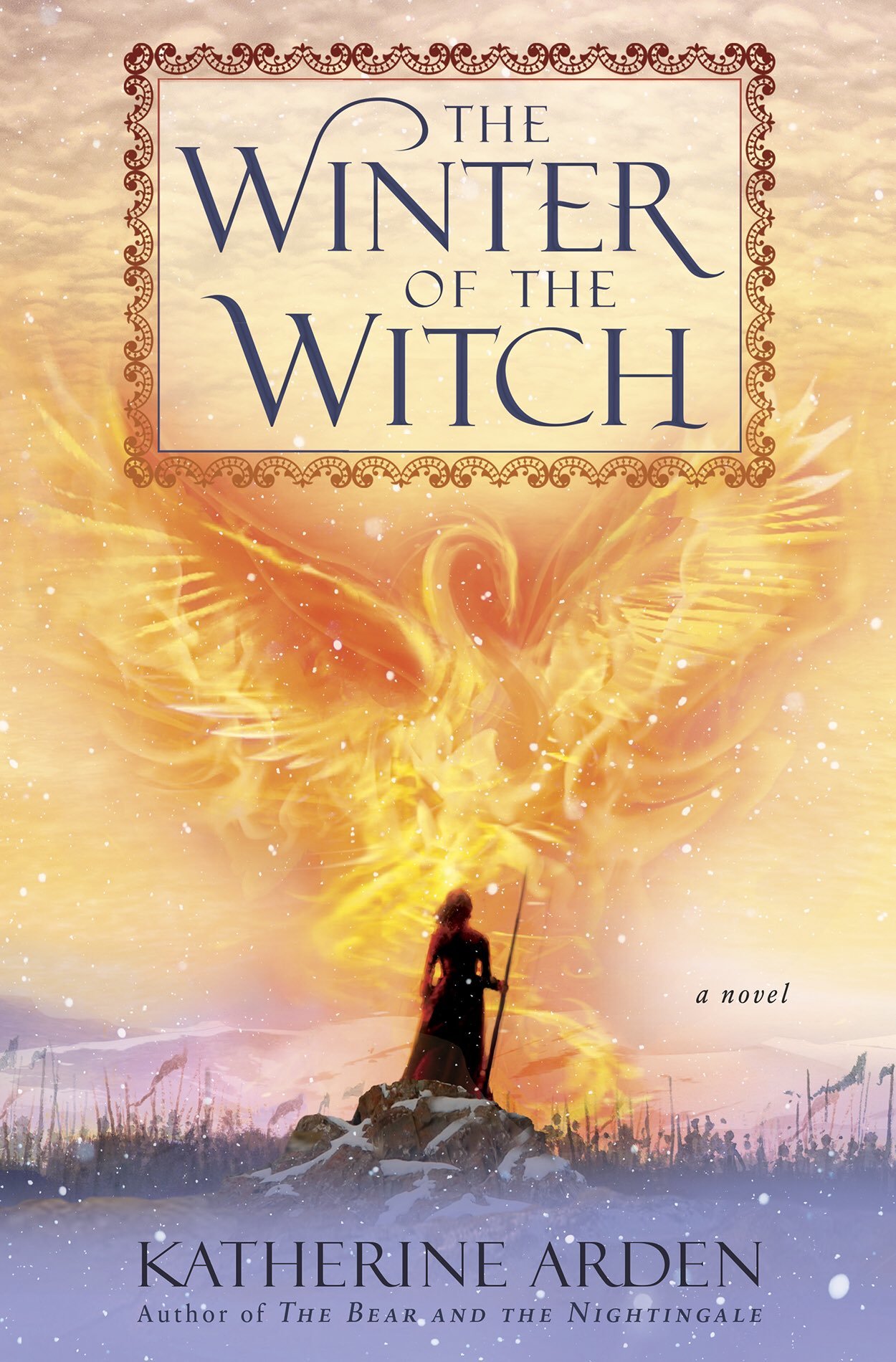
The Winter of the Witch
Katherine Arden's prose is doing something the spicier books on this list can't quite replicate: it makes the cold feel dangerous, the old gods feel genuinely alien, and the romance feel like something that could break the world or save it. Vasya and Morozko's relationship is built on the tension between mortality and immortality, between a woman who refuses to be small and a winter king who doesn't entirely understand why that matters. Not warm in its content, warm only in how much it cares about its characters.
Post-Apocalyptic and Dystopian Dark
The world already ended, or is ending, and the romance exists inside that collapse. These books don't let you forget the stakes are civilizational.
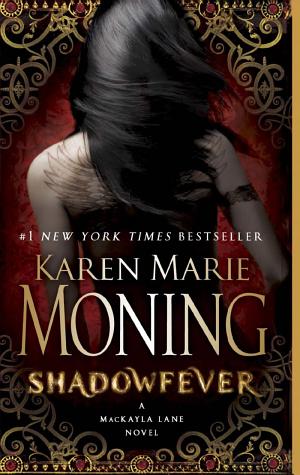
Shadowfever
The Fever series is one of those rare cases where the heroine's arc genuinely disturbs you because you watch her lose her moral certainty piece by piece and have to rebuild something harder in its place. By book five, Mac is not the same person she was, Barrons is still magnificently opaque, and the walls between worlds are crumbling in ways that feel like actual threat. The answers to questions you've had since book one are here, and several of them are worse than you expected.
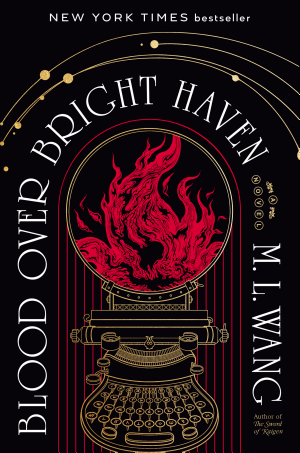
Blood Over Bright Haven
This is the least conventionally romantic book on this list, and we're including it anyway because the dark fantasy elements are that good and the emotional relationship at its center earns its place. Sciona is brilliant, difficult, and has built her entire identity around a system that turns out to be built on horrifying lies. The friendship that becomes something more is slow and complicated, and the magic academy setting eventually reveals something genuinely grim underneath. If you've been burned by dark fantasy that doesn't follow through, this one follows through.
The Brutal Series Finale
Sometimes the darkest entry is the last one, where the author finally cashes the checks they've been writing for seven books. These two are series conclusions that do not spare anyone.
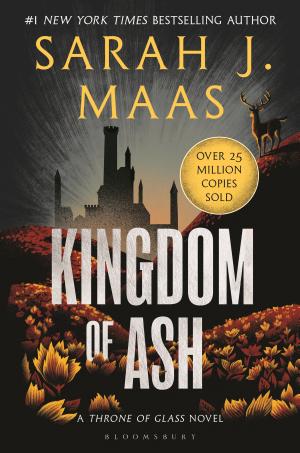
Kingdom of Ash
Nine hundred pages. The Throne of Glass series has always been darker than ACOTAR in its willingness to kill characters who matter and put Aelin through things that can't be fixed by the next chapter. This finale earns its length by splitting the cast across multiple desperate campaigns, keeping Aelin and Rowan separated for much of it in ways that actually hurt, and the final sequences require that you've sat with this cast for thousands of pages to feel them properly. We've cried at this book. We're not embarrassed about that.
Zodiac Academy: Sorrow and Starlight
Peckham and Valenti are not subtle, and that's a feature. By book eight, the stakes have escalated to the point where the title is not metaphorical. People die. Not side characters, not named-once-to-make-you-feel-something characters. People you have loved for thousands of pages. The sacrifices in this book are the kind that change what the HEA can look like, and the romantic payoffs hit differently because of everything that had to be paid to get there. You cannot start here. But if you've made it this far, you already know that.
Tell us what you love and what you avoid. Every book gets scored to match.
Create My Profile