Chloe Neill's Chicagoland Vampires series is one of those paranormal romance runs that doesn't get enough credit for how tightly it holds together. Thirteen books, plus novellas, and Merit's voice stays sharp the whole way through. The pitch is simple on paper: grad student gets turned into a vampire against her will, ends up becoming a sentinel for the House that made her, falls into a slow-burn disaster romance with her infuriating Master vampire boss, and somehow keeps stumbling into supernatural crises that threaten all of Chicago. The execution, though, is anything but simple.
Some personal bias upfront: we are deeply partial to urban fantasy heroines who are competent without being invincible. Merit earns every skill she develops. The supernatural mystery plots are genuinely clever, the found family dynamics get richer as the series goes, and Ethan Sullivan is the kind of possessive, morally complicated MMC we can't quit even when we want to. Spice sits mostly in the steamy range, not scorching, which is fine because the tension does the work. There are content warnings worth noting throughout: violence, political intrigue, trauma, and some villain content that gets darker in the later books.
The full reading order goes: Some Girls Bite, Friday Night Bites, Twice Bitten, Hard Bitten, Drink Deep, Biting Cold, House Rules, Biting Bad, Wild Things, Blood Games, Dark Debt, Midnight Marked, and Blade Bound, with the novella Lucky Break fitting between books 10 and 11. Read them in order. This is not a drop-in series. Below we've pulled comparable reads organized by what they share with Chicagoland, so you know exactly where to start next.
1,000+ romance books tagged by trope. Filter by spice, genre, and series length.
Start HuntingIf the Slow-Burn Ethan & Merit Dynamic Wrecked You
The Ethan-Merit relationship is the series engine. He's cold, she's furious at him, and they circle each other for books before anything gives. These picks run the same dynamic: unequal power, simmering tension, and a romance that earns it.
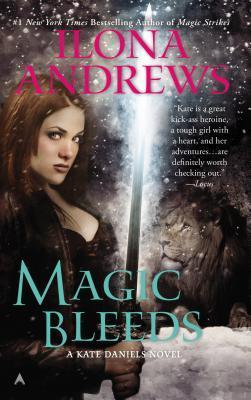
Magic Bleeds
Kate Daniels is the urban fantasy heroine who gets compared to Merit most often, and for good reason: same irreverent voice, same tendency to walk into supernatural disasters, same slow-burn with a dominant MMC who thinks he knows better. By book four, Kate and Curran finally stop circling and it does not go smoothly. The supernatural mystery plots are some of the sharpest in the genre, and the Atlanta worldbuilding gets stranger and richer as the series goes. If you've been reading Chicagoland for the banter and the monster-of-the-week structure, this is the natural next step.
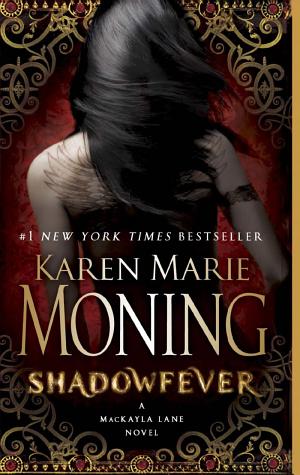
Shadowfever
The Fever series is darker than Chicagoland, and Barrons is darker than Ethan, but the core dynamic is the same: morally gray immortal who holds all the power getting slowly undone by the human woman he underestimated. Mac's transformation across five books is some of the best slow-burn character work in paranormal romance, and Shadowfever is the payoff. Fair warning: you need to read books 1-4 first, and the content gets genuinely grim in places. But if Chicagoland whetted your appetite for heroines who get harder and more capable under pressure, Mac's arc will destroy you in the best way.
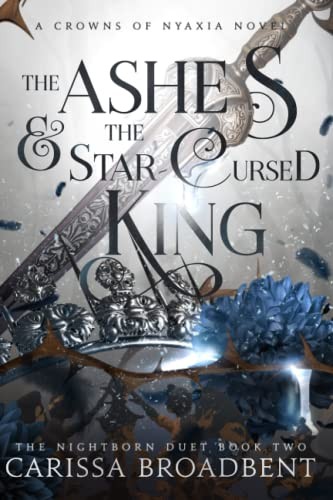
The Ashes and the Star-Cursed King
Oraya is a human raised in a vampire kingdom by the king who was her only protection, now his prisoner after his death. Raihn is the vampire who won the brutal tournament she survived. They are enemies in the most structural sense possible, and the romance is built on that impossibility. Broadbent writes vampire politics and violence with real weight, and the slow-burn tension here rivals anything in Chicagoland. The court intrigue, possessive MMC, and a FMC who's furious and grieving and figuring out her own power all land. Read book one first, but book two is where it pays off.
For the Vampire Politics and House Power Structures
A big part of what makes Chicagoland work is the vampire hierarchy, the House dynamics, and Merit learning to navigate a world with rigid power structures she didn't choose to be part of. These series do similar things with supernatural governance.
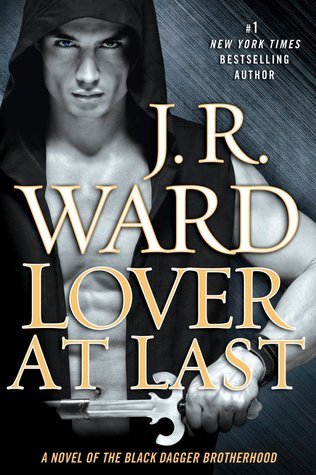
Lover at Last
Black Dagger Brotherhood is the granddaddy of vampire world-with-strict-internal-rules paranormal romance, and Ward's Brotherhood operates on hierarchy, loyalty, and found family in ways that feel close to Chicagoland's House structure. Lover at Last is the Qhuinn and Blay book fans waited years for, so you'll want the earlier entries first, but as a series it rewards long investment. The worldbuilding is dense and sometimes maximalist in ways Chicagoland isn't, but the emotional payoff on long-running characters is extraordinary. Content warning for past trauma and violence throughout the series.
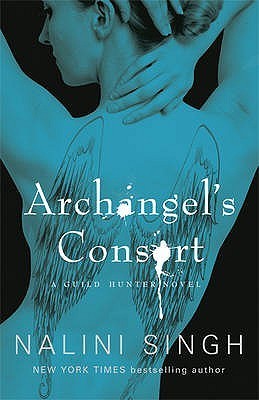
Archangel's Consort
Elena is a vampire hunter who ends up in the orbit of one of the most powerful archangels alive, and the Guild Hunter series is deeply invested in supernatural power structures, political maneuvering between immortal factions, and a heroine who has to find her footing in a world where she's outclassed on paper. Nalini Singh writes possessive immortal love interests as well as anyone, and the series builds steadily in both emotional complexity and world stakes. If what you loved about Chicagoland was Merit learning to hold her own among creatures who've lived centuries longer than her, start from book one here.
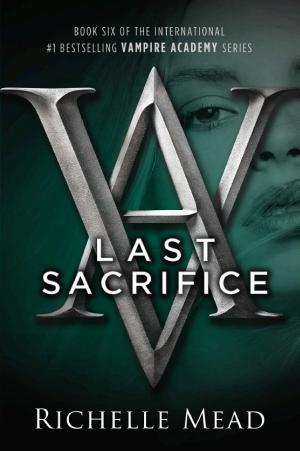
Last Sacrifice
Vampire Academy runs younger than Chicagoland but the vampire monarchy structure, the bodyguard loyalty dynamics, and Rose's voice have a lot in common with Merit's energy. Last Sacrifice is the series finale, and it delivers on every thread Mead has been building: the political machinations around the Moroi throne, Rose's impossible position, and a romance complicated by every obligation she's sworn. The series is a complete arc that rewards reading straight through, and if you're at all interested in vampire courts as a power structure (not just vibes), this delivers.
For the Supernatural Mystery Plots
Each Chicagoland book has a threat Merit has to investigate and neutralize, often with political strings attached. These series prioritize the same thing: a capable heroine with unusual abilities working through mysteries in a world with messy supernatural factions.
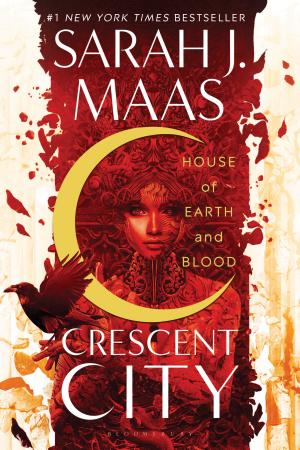
House of Earth and Blood
Crescent City is the closest thing to Chicagoland in the SJM catalog: urban setting, supernatural species politics, a murder mystery driving the plot, and a heroine working to solve it while navigating a complicated romance with someone she shouldn't trust. Bryce Quinlan has Merit's energy in a lot of ways, including the tendency to use humor as armor. The grief element hits harder here than Chicagoland generally goes, so content warnings for loss of a close friend. But the supernatural mystery structure and the found family payoffs land exactly right.
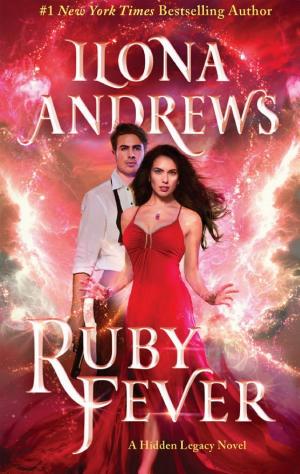
Ruby Fever
Hidden Legacy is Ilona Andrews in a contemporary Houston with magic families and power hierarchies, which puts it closer to Chicagoland's urban fantasy mode than the Kate Daniels post-apocalypse. Catalina Baylor has abilities that make her both valuable and vulnerable, she's surrounded by a found family who will go to war for her, and the supernatural mystery plots are tightly constructed. Ruby Fever is the series finale, so start from book one, but as a series it's one of the most consistently satisfying in paranormal romance. Less vampire-centric, but the competent heroine and supernatural investigation structure are directly comparable.
For the Found Family and Long-Series Investment
Thirteen books is a commitment, and what keeps readers going past book five is usually the relationships beyond the central romance. Sentinel house dynamics, Mallory's friendship with Merit, the complicated respect she builds with other vampires. These series reward that same long-haul investment.
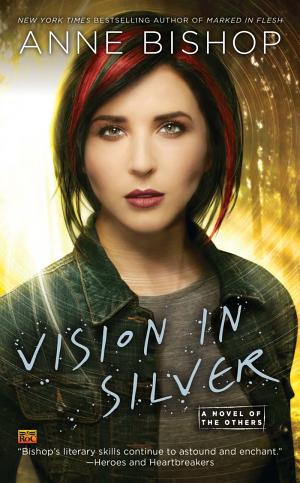
Vision in Silver
The Others series is low-spice compared to Chicagoland, which we'll note upfront for anyone who comes to these books primarily for the romance heat. But the found family construction, the supernatural politics between human and non-human factions, and the careful slow-burn between Meg and Simon are genuinely excellent. Bishop builds a world where the non-human characters are not romanticized threats but actual Others with their own logic, and Meg's position as a cassandra sangue navigating that world is quietly harrowing. Vision in Silver deepens everything. Content warnings for past institutional abuse, which runs throughout the series.
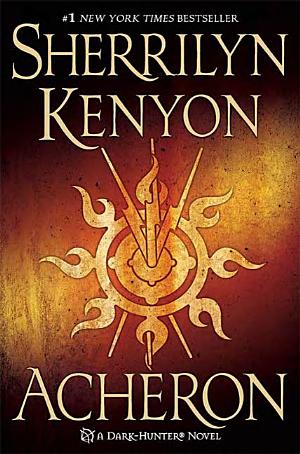
Acheron
The Dark-Hunter series is a comparable long-haul paranormal romance investment, and Acheron is the book the entire series builds toward: the story of the leader of the Dark-Hunters, a character Kenyon has been developing across fourteen previous books. It works as a standalone if you want the vampire and immortal mythology without the full series commitment, though the emotional weight lands harder with context. The backstory is genuinely dark, content warnings for past abuse and trauma that goes further than anything in Chicagoland. But the payoff on an immortal MMC finally getting a love story is substantial.
Tell us what you love and what you avoid. Every book gets scored to match.
Create My Profile