There's something uniquely perfect about the tournament arc as a romance delivery mechanism. You're forced into proximity with your enemy. You're both under threat of elimination or death. You're exhausted, bleeding, and somehow that's when the feelings get impossible to ignore. The arena doesn't care about your unresolved tension — it just keeps sending you back in.
We've sorted through the full spectrum here: magic academies running lethal trials, vampire kingdoms hosting gladiatorial bloodsports, gods playing games with mortal lives, and a few setups that defy easy category. The romance ranges from closed-door slow burn to scorching, and the stakes range from "win a wish" to "survive or the kingdom falls." We've organized them loosely by how much the tournament itself feels like the point versus a backdrop for the love story — because those are genuinely different reading experiences and you deserve to know which you're signing up for.
Fair warning: we have a bias toward tournaments where losing means death, rivals become allies reluctantly, and at least one character spends several rounds pretending they don't care. If that's not your thing, the lower-stakes section at the end has options.
1,000+ romance books tagged by trope. Filter by spice, genre, and series length.
Start HuntingDeath Is on the Table
These tournaments kill people. Regularly. On purpose. The romance has to happen in the cracks between survival, which is exactly what makes it hit so hard.
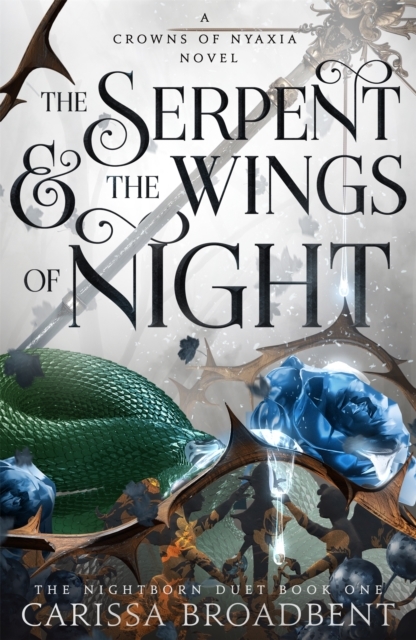
The Serpent and the Wings of Night
Oraya is the only human in a vampire kingdom, raised by the Nightborn King and treated as prey by everyone else. The Kejari tournament gives her a shot at real power — if she can survive it. Her alliance with Raihn starts as pure strategy and turns into something that costs her a lot more than she planned. This one sits at the top of our list because Broadbent commits fully: the tournament is brutal, the forbidden-love tension is agonizing, and Raihn's "he falls first" arc is executed without making him pathetic about it.
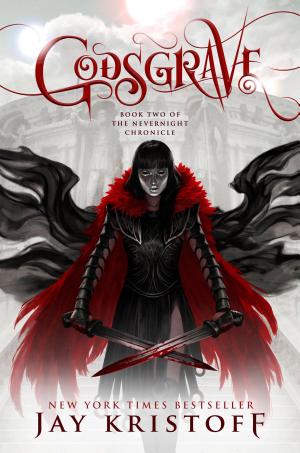
Godsgrave
Mia Corvere infiltrates a gladiatorial arena as a slave to get close to her enemies. The tournament here is an actual blood sport with crowd cheers and political stakes behind every match, and Kristoff doesn't shy away from what that means for the people fighting in it. The romance is messy in the way you'd expect from a book where everyone is morally compromised and the body count keeps rising. Read book one first — this rewards investment.
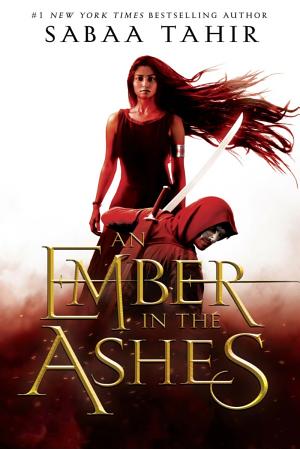
An Ember in the Ashes
The Trials of Blackcliff are designed to break soldiers and reward brutality. Elias doesn't want to win. Laia is there as a spy, not a contestant, but the trials shape everything around her. Tahir writes the torture of this — both the physical trials and the emotional cost — with real weight. The love triangle is genuine rather than obligatory, and the spice is low while the tension stays almost unbearable. One of the few warm-spice books on this list that earns its angst rating without cheating.
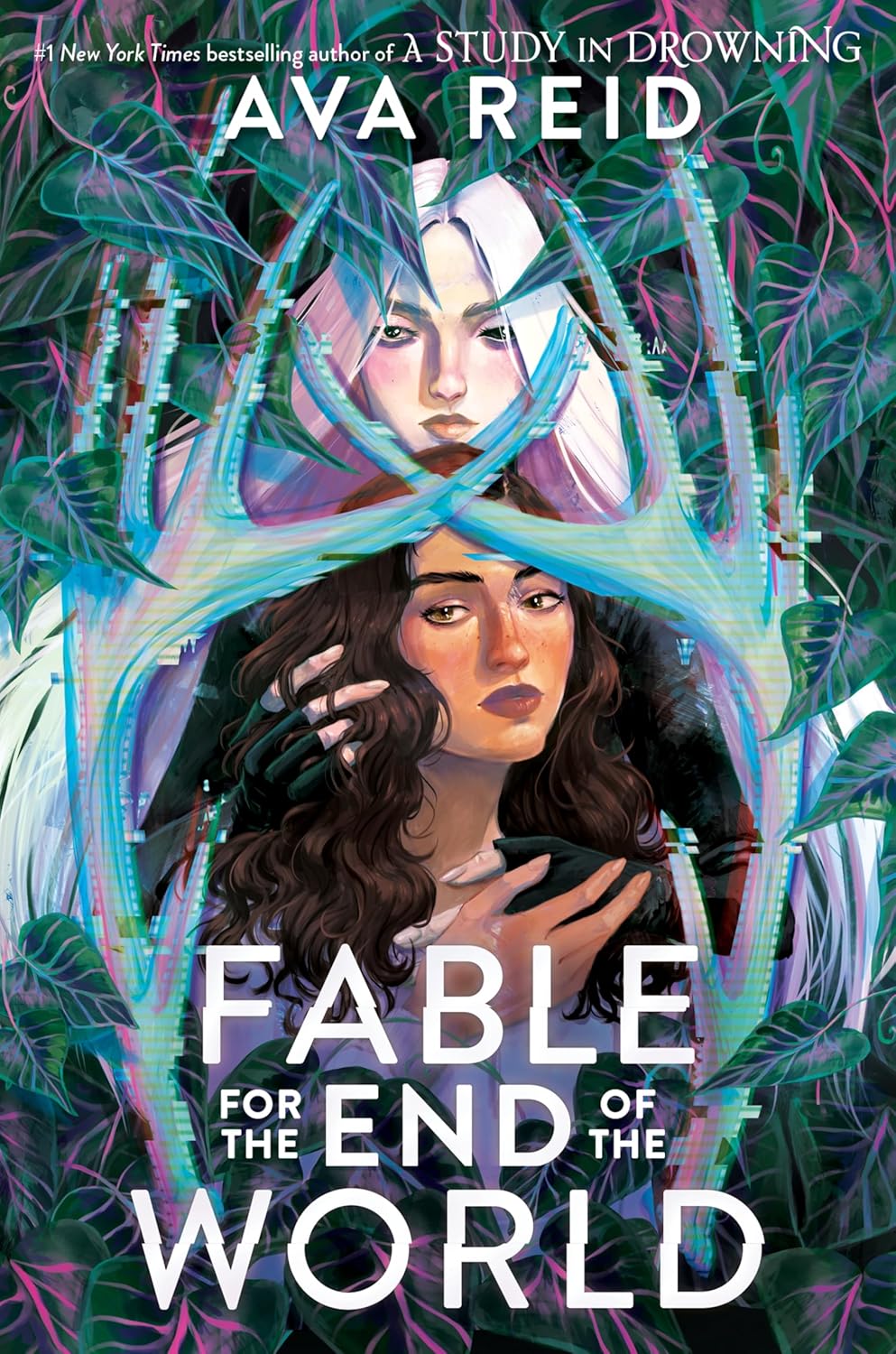
Fable for the End of the World
A televised supernatural assassination spectacle run by a corporation. Inesa is thrust into the Lamb's Gauntlet because debt in this dystopia functions as a death sentence anyway. Reid's prose is doing a lot of heavy lifting here and it mostly works — the horror of the entertainment-industrial complex framing makes every round feel genuinely sick. The romance is slower to develop than some readers want, but the payoff lands.
The Magic Academy Pipeline
Trials, gauntlets, ranked competitions — when the setting is an academy, the tournament structure comes built in. These books use it to force rivals into the same orbit until "rival" stops being the right word.
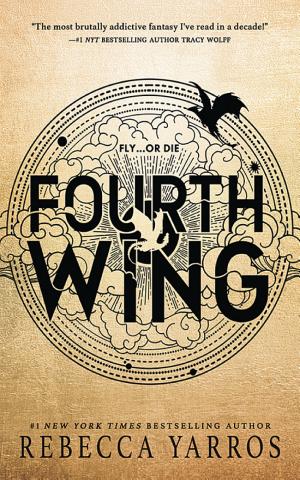
Fourth Wing
Violet Sorrengail wasn't supposed to be here. The War Games and bonding trials at Basgiath are structured competition wrapped in the constant threat that the wrong mistake gets you killed — by a dragon, by a classmate, by the politics that Xaden Riorson carries like a weapon. Yarros understands that the tournament arc works best when the competition is also a character study, and Xaden watching Violet survive things she shouldn't be surviving is a genuinely effective slow burn engine. This is the book that sent half the romantasy fandom down the tournament rabbit hole in the first place.
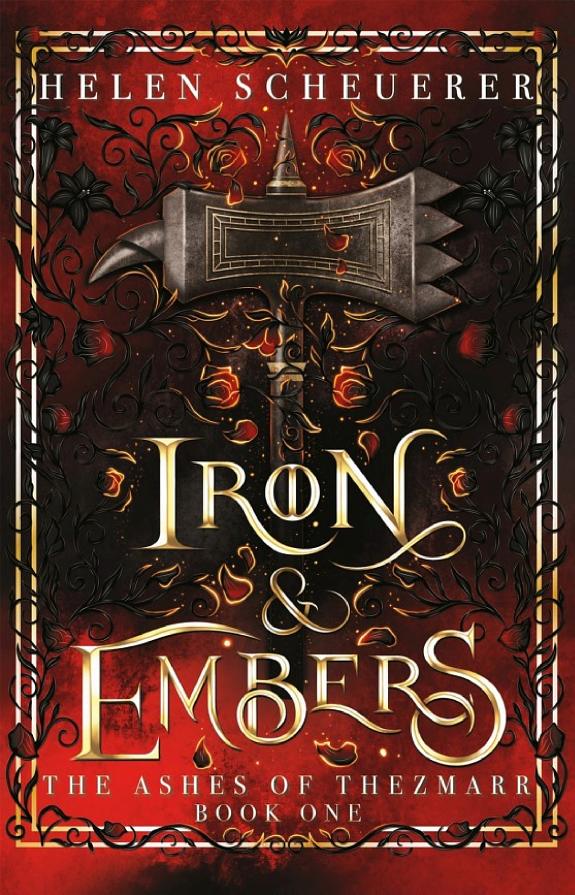
Iron and Embers
Wren Embervale needs to complete the Gauntlet at Drevenor not for glory but to find a cure that could save everything. The MMC is assigned as her protector and resents every second of it, which is exactly the right setup for the enemies-who-can't-quit-each-other arc. Scheuerer writes combat well — the trials feel genuinely difficult rather than conveniently scaled to what the protagonist can just barely manage — and the hurt/comfort between rounds is satisfying without tipping into rescue fantasy.
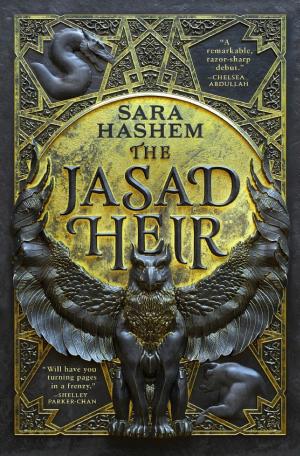
The Jasad Heir
Sylvia has been hiding her identity as the last heir to a destroyed kingdom for ten years. Entering the Alcalah tournament as a champion was never her plan, but her handler Arin is both the person forcing her into it and the person she absolutely cannot trust with who she actually is. The dramatic irony here is thick — Arin knows more than Sylvia thinks, Sylvia is hiding more than Arin expects — and Hashem lets that tension simmer for a very satisfying amount of time before anything breaks open.
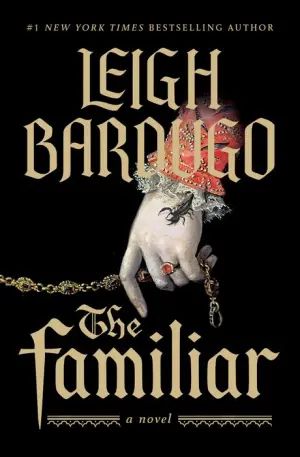
The Familiar
The Spanish Inquisition as a backdrop for a magical competition is not a setup we expected to work this well. Luzia is a scullion who's been hiding a small gift, and being thrust into a tournament of magicians competing for royal favor is not the kind of visibility she wanted. Bardugo's prose is doing what Bardugo's prose does — the romance develops slowly and the power dynamics are uncomfortable in ways the book is clearly aware of. Lower spice, higher literary ambition than most entries on this list.
Gods, Mythology, and Rigged Games
Tournaments run by immortal beings who think mortals are entertainment. The stakes are still life and death, but there's a cosmic absurdity layered on top of it.
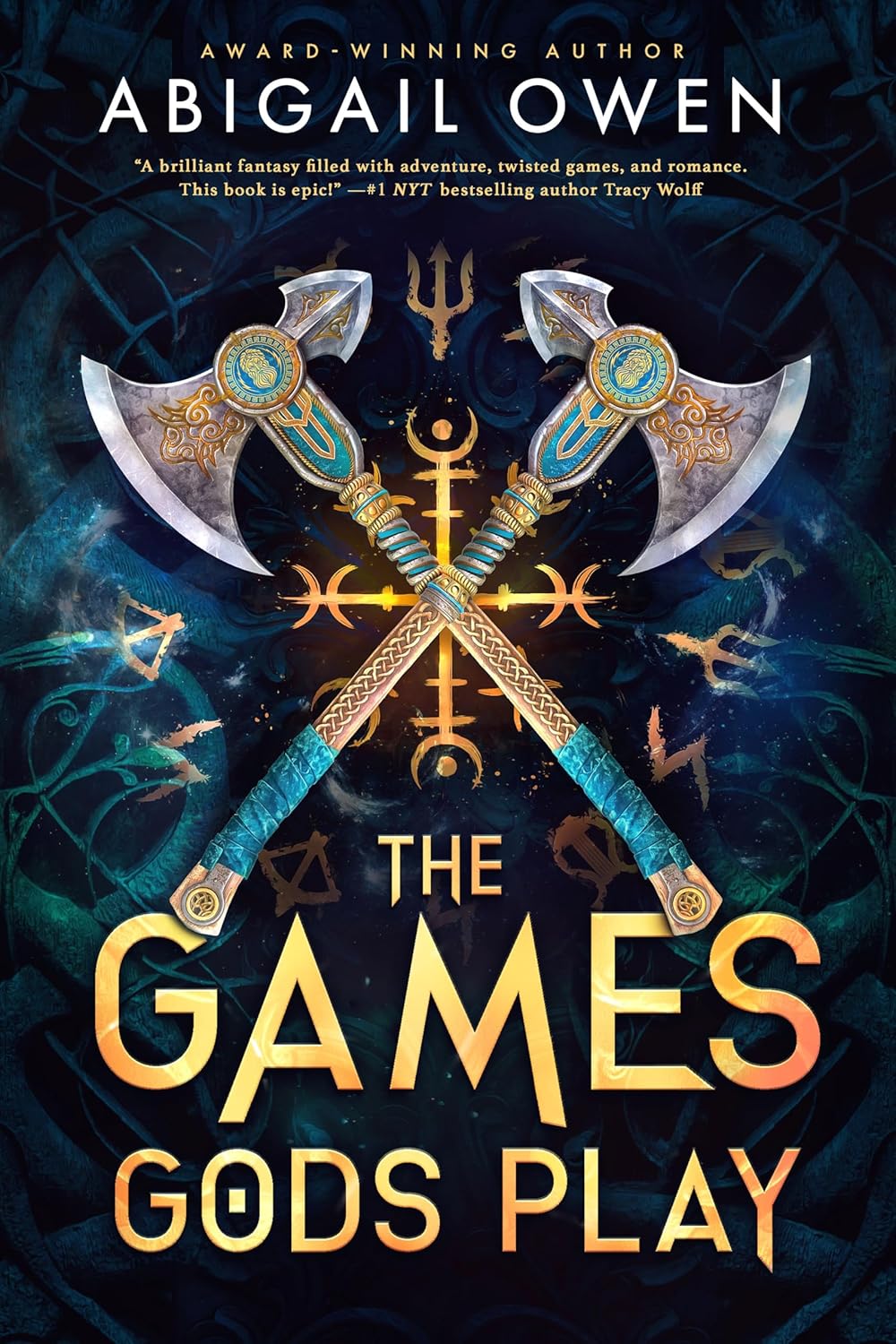
The Games Gods Play
She's a cursed office clerk working for the Order of Thieves in San Francisco. Every hundred years, the gods let mortals compete in the Crucible for a chance at having their curse broken. The setup sounds like it could tip into farce but Owen plays it with genuine stakes — the MMC falls first and falls hard, and the humor balances against the danger without deflating it. One of the better executions of the "he is so obviously obsessed with her while she's just trying to survive" dynamic.
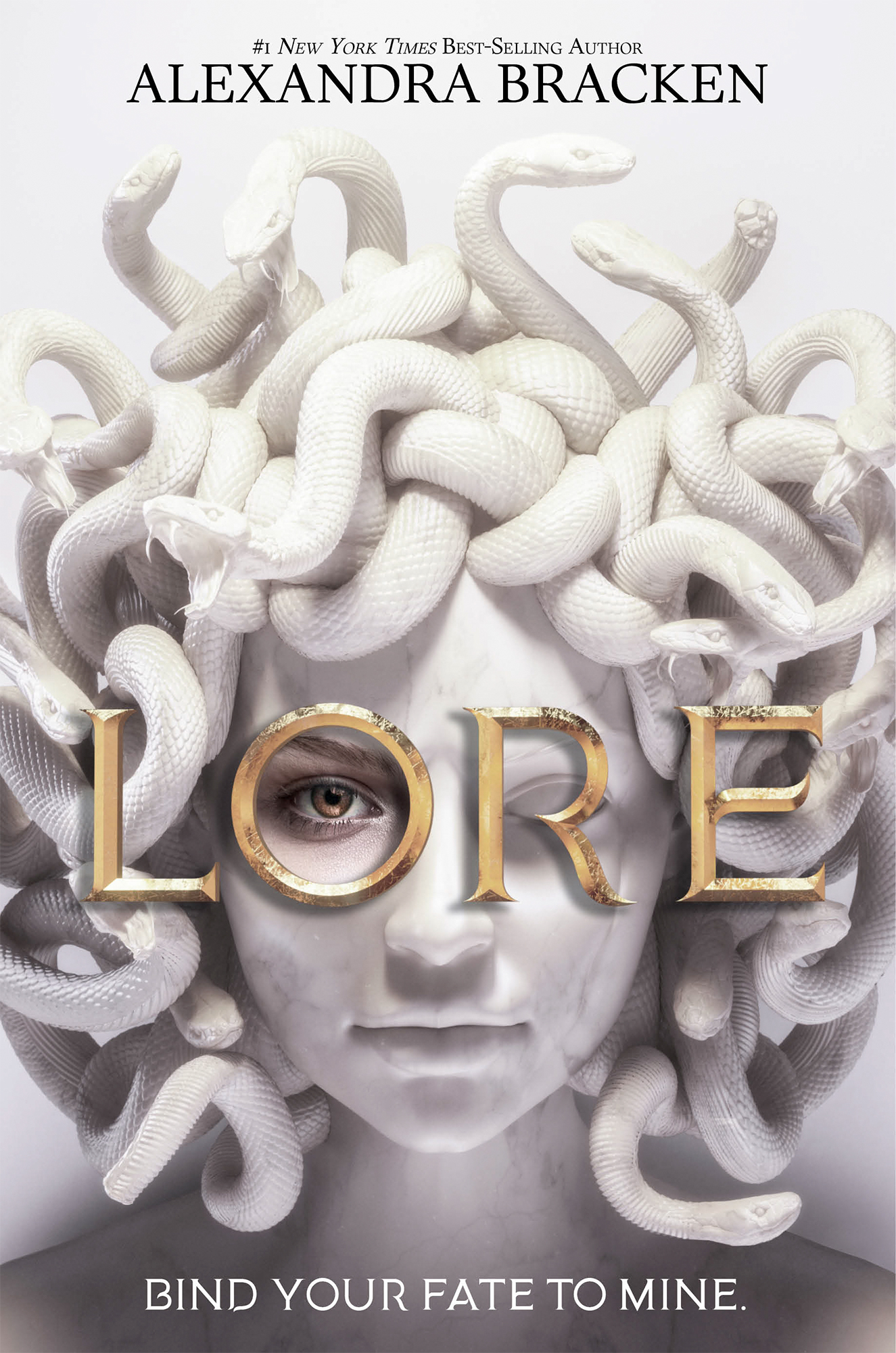
Lore
Every seven years, nine Greek gods are forced to walk the earth as weakened mortals, hunted by descendants of ancient bloodlines who want to kill them and claim their power. Lore left this world behind — then gets dragged back in. The tournament structure here is looser than most on this list (it's a hunt more than a competition), but the mythology is well-researched and the found family threads give it emotional texture beyond the main romance. Good for readers who want their tournament arc adjacent to a proper quest.
When the Tournament Is Almost an Afterthought
Lower on the survival-stakes end. The competition exists but the romance is doing more of the structural work. Worth knowing before you go in.
A Court of Silver Flames
The Blood Rite is a brutal survival trial in the Illyrian mountains and it's genuinely one of the better tournament sequences Maas has written — Nesta and Cassian having to function as a unit when they'd both rather die than admit they need each other is peak this-trope-energy. The book is long and the non-trial sections vary in quality, but if you're here for watching two furious, damaged people fail to not fall in love while also trying not to freeze to death, it delivers.
The Night Circus
The competition between Celia and Marco is the furthest thing from a gladiatorial arena — it's a magical duel conducted through acts of beauty inside a circus, and neither of them fully understands the rules or the cost. Morgenstern's book is slow and atmospheric in a way some readers love and others find frustrating; we'd say upfront that if you want tension from combat rather than from the creeping realization that falling in love with your opponent might be catastrophic, this one isn't for you. For everyone else, it's a singular reading experience.
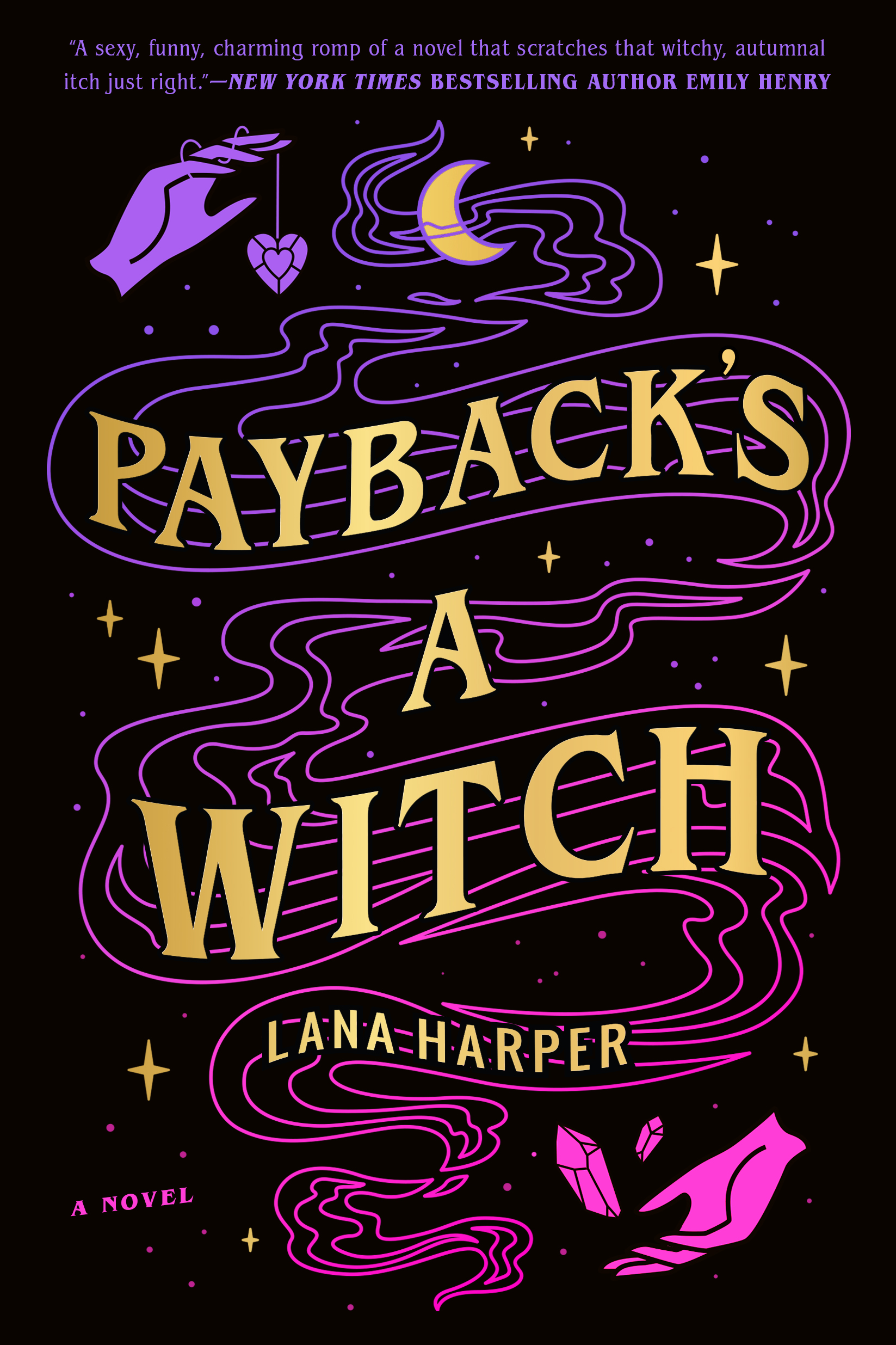
Payback's a Witch
The Gauntlet of the Grove is a witchy family tournament Emmy returns home to preside over after years away — and the tournament is genuinely the least lethal on this entire list, which is exactly the point. Harper is writing a low-stakes cozy romance where the competition is a vehicle for Emmy to reconnect with herself, her town, and the very charming woman she should have noticed years ago. The humor lands, the sapphic romance is warm without being saccharine, and if you've been reading the high-death entries above and need a palate cleanser, this is the pick.
Tell us what you love and what you avoid. Every book gets scored to match.
Create My Profile