We have complicated feelings about assassin romance. There's something deeply unsettling about watching trained killers fall in love while maintaining their body count, yet we keep coming back for more. Maybe it's the contradiction that hooks us—the way a character who deals in death can be tender in private moments, or how someone who's mastered the art of emotional detachment suddenly can't function when their love interest is in danger.
The best assassin books understand that the profession isn't just window dressing. Being trained to kill shapes everything about how these characters move through the world, from their hypervigilance in crowded spaces to their inability to fully trust anyone. When romance enters the picture, it forces them to confront the fundamental question: can someone whose job is ending lives actually build one?
We're not interested in assassins who conveniently abandon their moral complexity for love. Give us the ones who remain dangerous, calculating, and loyal to their own twisted code even as they're falling apart for someone else.
1,000+ romance books tagged by trope. Filter by spice, genre, and series length.
Start HuntingWhen Duty Collides with Desire

Poison Study
Yelena's choice between execution and becoming the Commander's food tester creates the perfect forced proximity setup. The slow burn between her and Valek—the Commander's spymaster and chief assassin—works because both characters are defined by their survival instincts. Their romance develops through shared understanding of what it means to live at someone else's mercy.
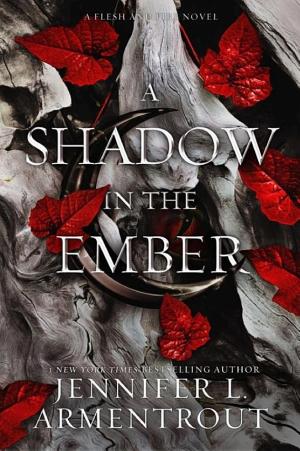
A Shadow in the Ember
Poppy's arranged marriage to Hawke becomes exponentially more complicated when she discovers he's actually the Dark One—and she's been trained her entire life to kill him. The tension between duty and desire reaches breaking point when the person you're supposed to assassinate is also the one person who sees you as more than a weapon.
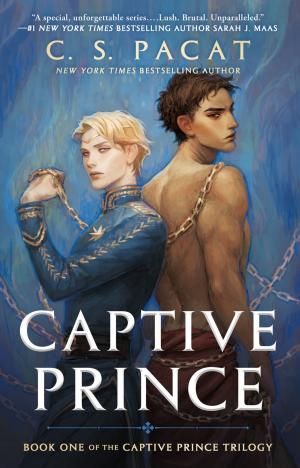
Captive Prince
The ultimate enemies-to-lovers slow burn where both Damen and Laurent are capable of deadly violence, but Laurent's particular brand of calculated cruelty makes every interaction feel like a chess match played with poisoned pieces. The court politics create constant opportunities for betrayal, making their eventual trust feel genuinely earned rather than inevitable.
Morally Gray Legends
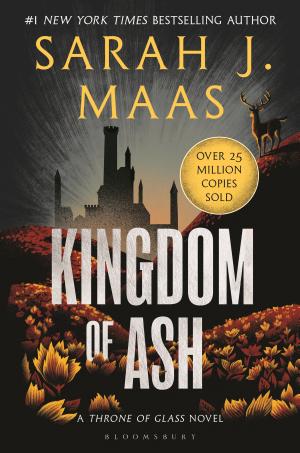
Kingdom of Ash
By book seven, Aelin's assassin past feels like ancient history until the final confrontation forces her to reconcile every version of herself—Celaena the killer, Aelin the queen, and the woman who's learned to love despite everything. The emotional payoff only works because we've watched her struggle with the weight of her choices across multiple books.
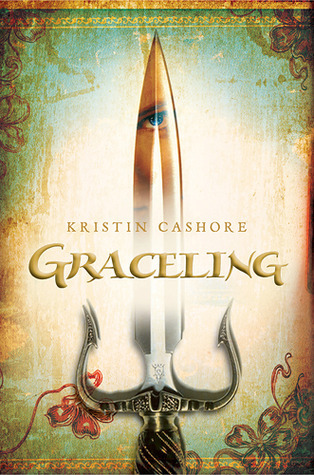
Graceling
Katsa's Grace makes her the perfect killing machine, but her self-loathing about this ability creates the central tension of her character arc. Po challenges her to see her power as something other than a curse, while she forces him to confront his own assumptions about strength and vulnerability. Their romance works because they both have to grow.
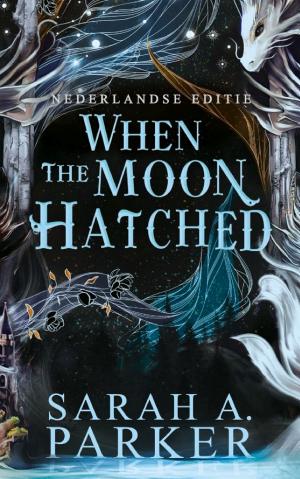
When the Moon Hatched
The dragon-rider assassin premise could have been pure fantasy fluff, but Parker commits to exploring how trauma shapes both characters. The fated mates element feels earned rather than convenient because both protagonists have to work through their damage before they can function in a relationship. The worldbuilding supports the character development rather than overwhelming it.
Science Fiction Assassins
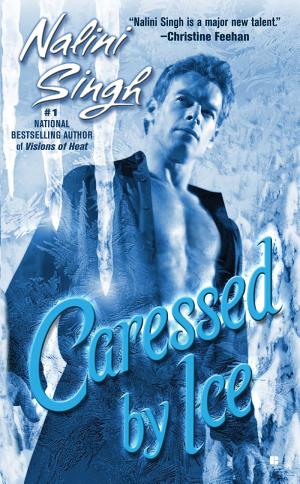
Caressed by Ice
Judd's rehabilitation from Arrow assassin to pack member creates genuine stakes for his relationship with Brenna. His Psy conditioning means emotions are literally dangerous for him, while her trauma from a psychic attack makes trust nearly impossible. Singh doesn't minimize either character's healing process, making their connection feel like a victory.
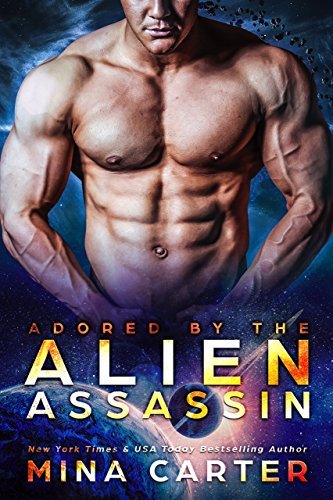
Adored by the Alien Assassin
The alien assassin protecting his human mate setup works because Carter doesn't shy away from the culture clash. Jac's medical training creates an interesting dynamic with a warrior who's been conditioned to see violence as the solution to every problem. The possessive alien trope gets complicated when the alien actually needs to learn restraint.
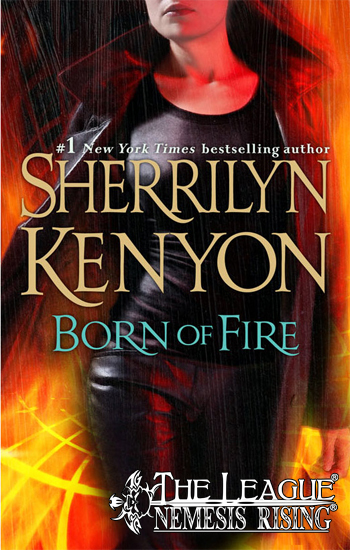
Born of Fire
Syn's background as a League assassin creates the perfect setup for exploring how institutional violence shapes someone's capacity for intimacy. The space opera setting allows Kenyon to examine themes of redemption and found family without getting bogged down in contemporary moral frameworks. The romance develops organically from mutual understanding rather than instant attraction.
Dark Contemporary Takes
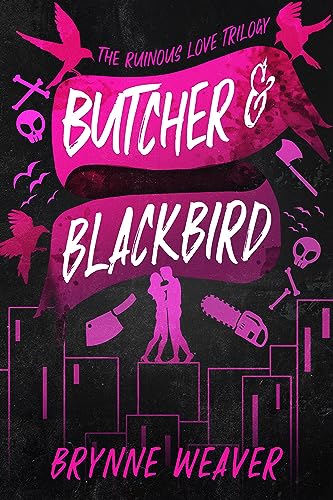
Butcher & Blackbird
The serial killer hunting serial killers premise could have been pure edge, but Weaver grounds it with genuine character work. The banter between Rowan and Sloan masks serious trauma on both sides, and their partnership forces them to confront their different approaches to justice. The romance develops alongside their professional partnership in ways that feel natural rather than forced.
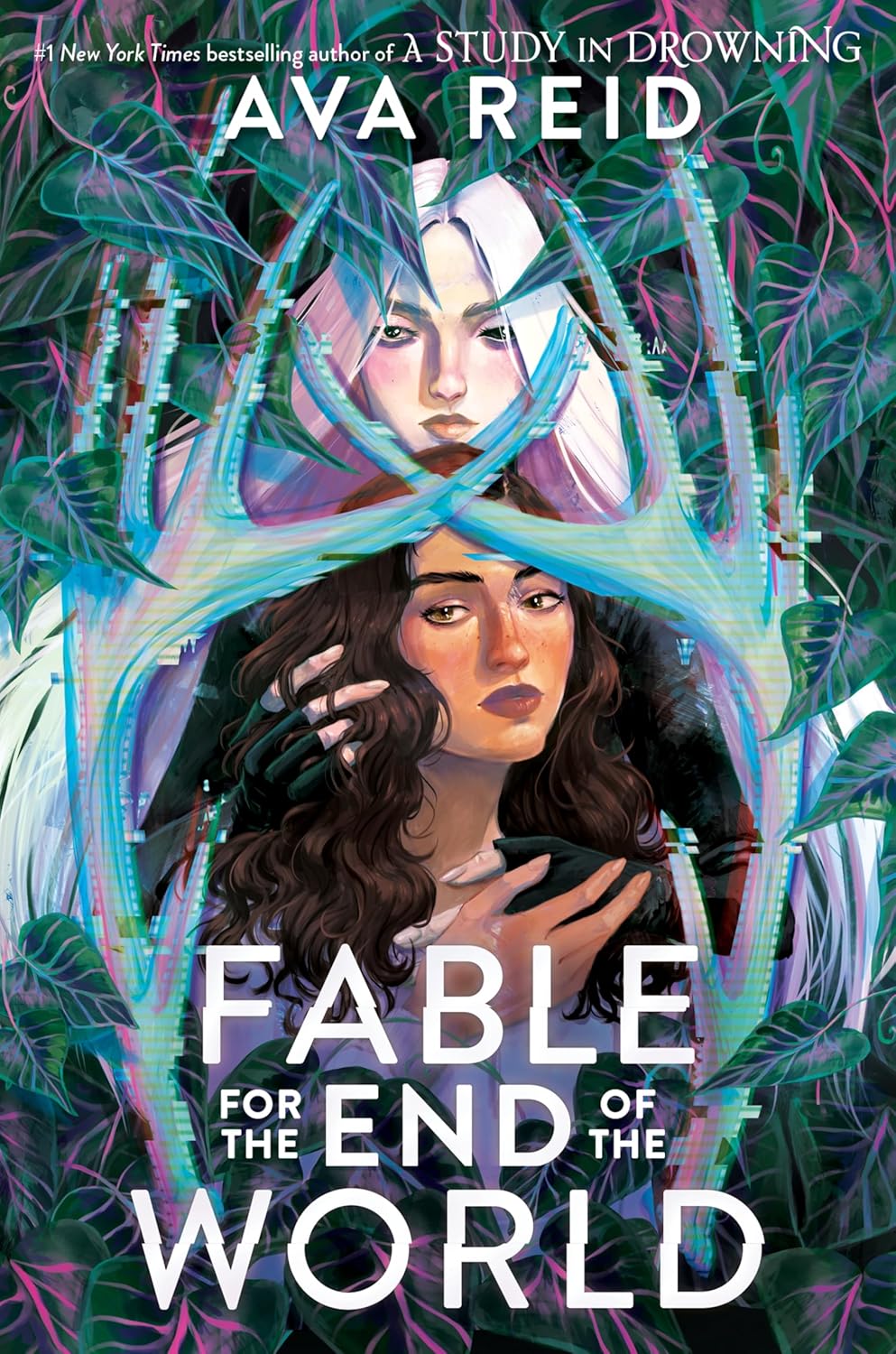
Fable for the End of the World
Reid's dystopian setting creates a world where assassination is entertainment, forcing both characters to navigate the performance of violence alongside its reality. The slow burn romance develops as both characters question the system they're trapped in, making their connection feel like an act of rebellion rather than just attraction.
Academy Training Grounds
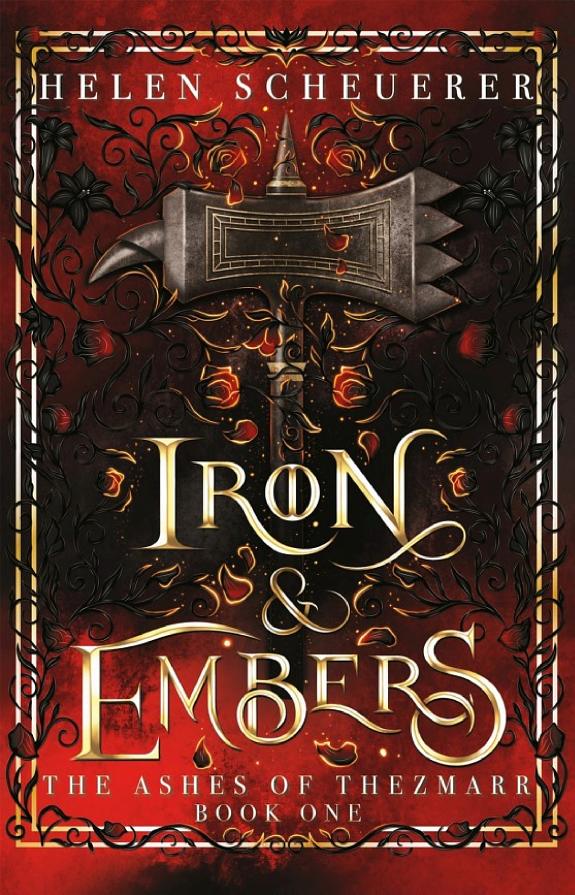
Iron and Embers
The alchemy academy setting provides the perfect backdrop for exploring how academic pressure intersects with deadly skills training. Wren's transformation from alchemist to assassin creates internal conflict that mirrors the external tournament stakes. The romance develops through shared understanding of what it means to be weaponized by institutions that claim to protect you.
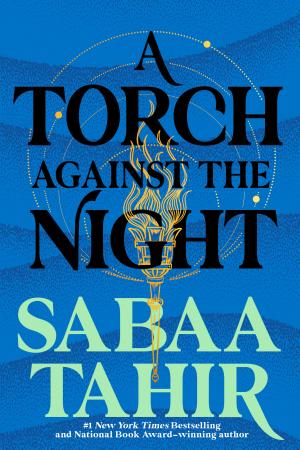
A Torch Against the Night
Elias's military training creates a fascinating tension between his natural empathy and his deadly efficiency. The love triangle complications feel genuinely earned because both romantic options represent different paths for his character—duty versus freedom, violence versus peace. Tahir never lets us forget the cost of the characters' choices.
Tell us what you love and what you avoid. Every book gets scored to match.
Create My Profile